Easy agretti, Roman-style, come from Grandma Benedetta: a light, healthy and versatile spring side dish. Rich in purifying properties, vitamins and minerals, they lend themselves to a simple and quick pan cooking that enhances their delicate flavor and crunchy texture. This vegetarian, gluten-free dish is ideal to accompany fish, eggs or fresh cheeses. Find everything you need to know about agretti in the questions that follow.
SEASON for #agretti: from late March to June, and in some cases in autumn.
You might be interested in
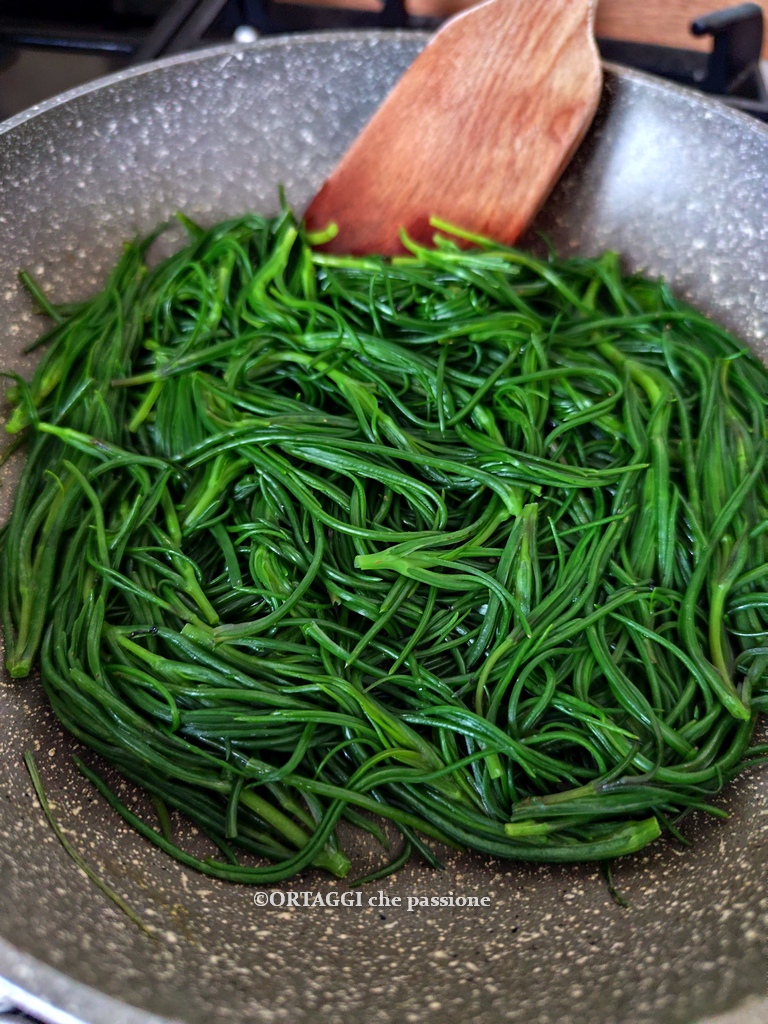
- Difficulty: Easy
- Cost: Inexpensive
- Preparation time: 5 Minutes
- Cooking time: 10 Minutes
- Portions: 2People
- Cooking methods: Stovetop
- Cuisine: Wellness
- Seasonality: Spring
Easy and Quick Agretti
- 5.3 oz agretti (net weight (about 150 g))
- as needed water (about 2 fl oz (≈50 g))
- oz lemon juice
- 1 drizzle extra virgin olive oil
Salt is not necessary to season agretti because they grow naturally in brackish soils and are already slightly salty.
Tools
- Salad spinner for salads
- Pan with lid
Easy and Quick Agretti
To clean the agretti (watch the video), remove the root at the base and any damaged leaves.
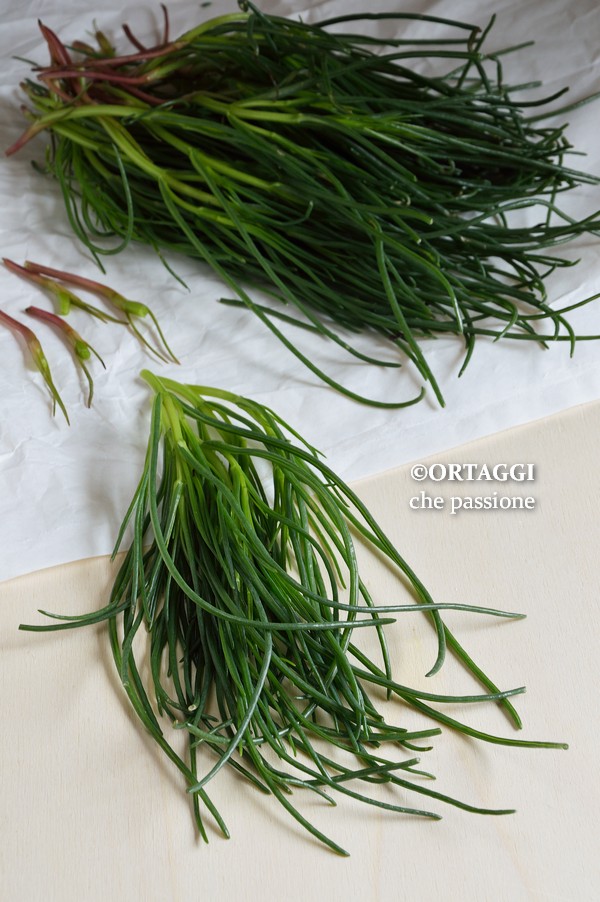
Then wash them to remove any soil residue. Finally, leave them whole or cut them into even pieces according to your preference.
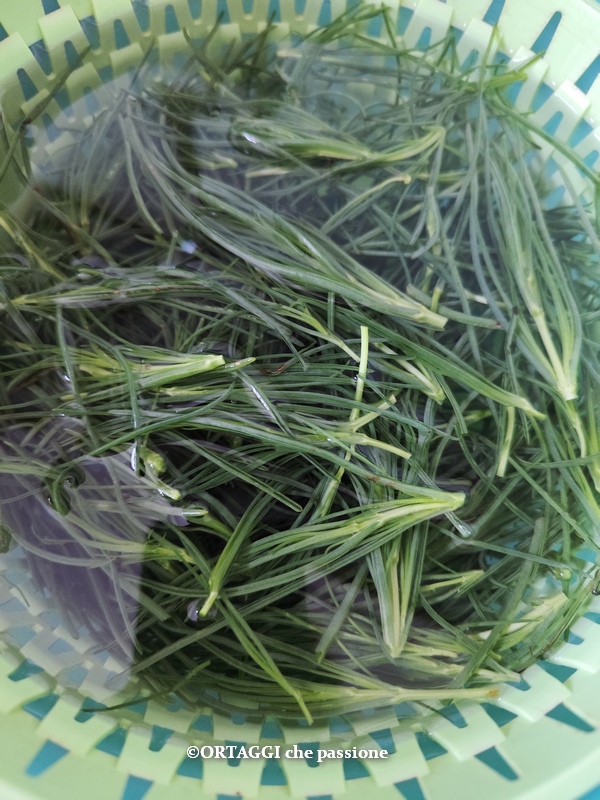
Then place them in the pan with a drizzle of water.
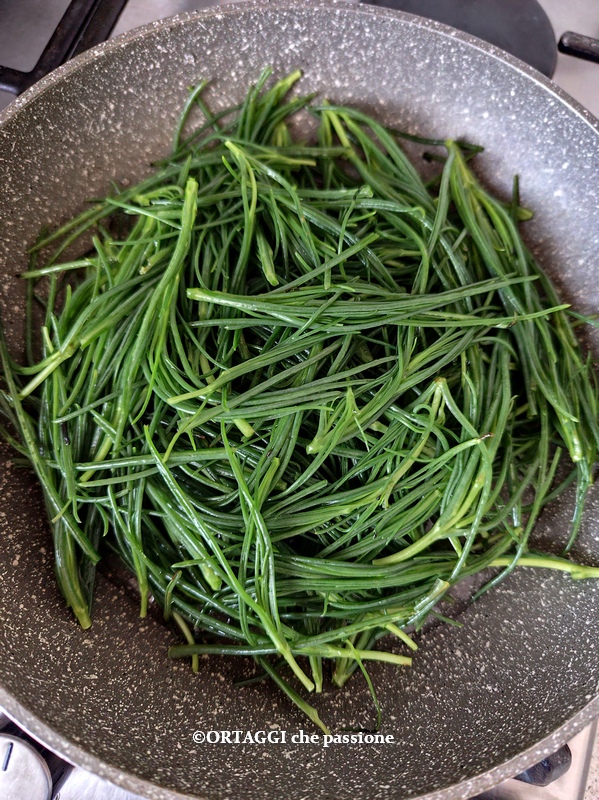
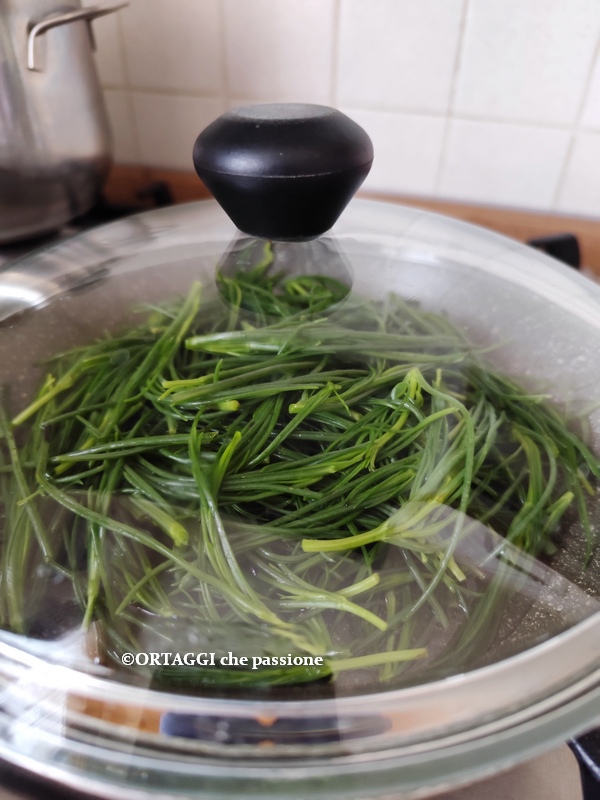
Cover and let cook for about 5 minutes. If necessary, add more water or remove any excess.
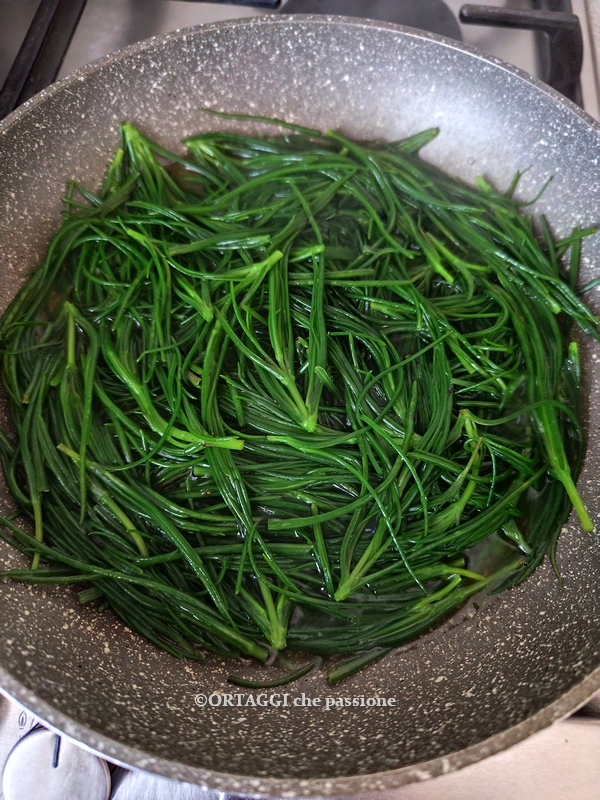
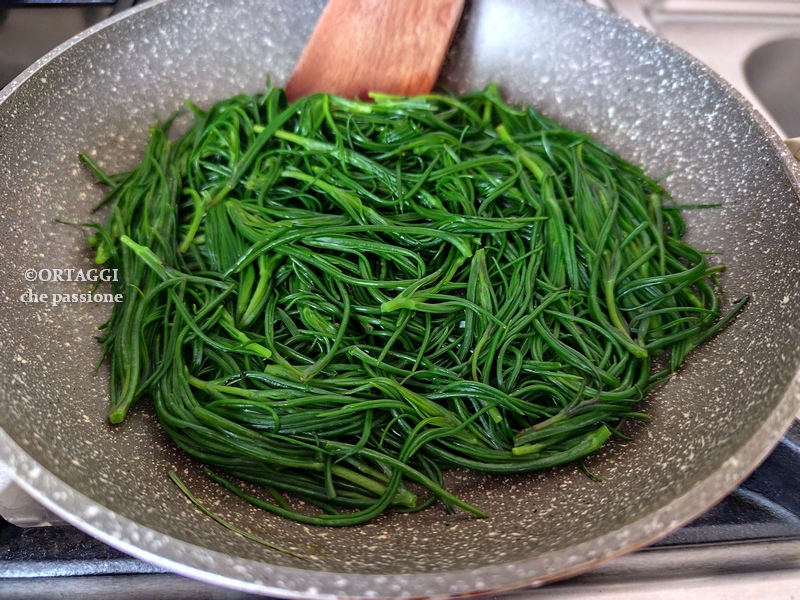
Once they have softened, uncover and let them dry. Continue cooking until you reach your preferred doneness.
🍀 Lemon juice and extra virgin olive oil
🍀 Olive oil and a sprinkle of oregano or fresh mint
🍀 Cherry tomatoes and olives
🍀 Toasted pine nuts or sliced almonds
🍀 Shavings of Grana Padano or salted ricotta
In all cases, use salt sparingly (or avoid it entirely) because agretti are already naturally savory.
STORE cooked agretti
Let cool, place in an airtight container and store in the refrigerator for up to 2 days. Do not freeze: they lose their texture.
Store raw agretti
Wrap in a damp cloth or paper towel and store in the vegetable drawer of the refrigerator for 2–3 days. Do not wash before storing.
FAQ (Questions and Answers)
What are agretti?
Agretti (scientific name Salsola soda), also known by popular names such as barba di frate, basiddu (in Sicily), schianta or erba grassa, are a much-appreciated spring vegetable in Italian cuisine, especially in the central-southern regions.
They are a herbaceous plant that grows in sandy and brackish soils, typically near coasts or in wetlands. Today they are also cultivated, but they retain their characteristic slightly bitter flavor and crunchy texture.What do they look like?
Agretti are easily recognizable: they have a long, thin stem of bright green color, with threadlike (needle-shaped) leaves that somewhat resemble wild fennel but are much more tender. The whole plant grows in tufts and is harvested young, when it is more tender.
What do they taste like?
Their taste is delicate, slightly tangy with a fresh vegetal note, similar to young spinach or green beans, but with a more herbaceous aftertaste. Raw they are crunchier and slightly bitter; cooked they become softer and sweeter.
How are they used in the kitchen?
They are extremely versatile:
Boiled or sautéed in a pan with oil, garlic and lemon – the most classic method.
Raw in a salad, perhaps with cherry tomatoes and Parmesan shavings.
As a side dish for fish, eggs, fresh cheeses (ricotta, goat cheese) or roasts.
In fillings for savory pies, omelettes or pastries.
As a pesto or cream to dress pasta.What are their nutritional properties?
Agretti are a light and healthy food:
🍀 rich in water (over 90%)
🍀 a source of fiber (great for the intestine)
🍀 contain minerals such as potassium, magnesium and calcium
🍀 have a slight purifying and diuretic effect
🍀 very few calories (suitable for low-calorie diets)
🍀 naturally gluten-freeWhen are they available?
Agretti are a seasonal spring vegetable. They are available fresh from March to May. In some cases they can also be found in autumn, but the best quality is in spring.
Names
🍀 Agretti
🍀 Agretto
🍀 Barba di frate
🍀 Barba di prete
🍀 Barba di cappuccino
🍀 Salsola soda
🍀 Basiddu (Sicily)
🍀 Lischi
🍀 Lischeri
🍀 Liscari sativa
🍀 Roscano
🍀 Bacicci
🍀 Schianta
🍀 Erba grassa
🍀 Barrilla
🍀 Saltwort (English)
🍀 Sea spinach (English)
🍀 Glasswort (English)
🍀 Barilla plant (English)
🍀 Soude commune (French)
🍀 Sosa común (Spanish)
🍀 Soda-Kraut (German)