The “Genovese” with calamarata. A first course inspired by Neapolitan tradition, even if the name is misleading.
Why is this dish called that? There are several theories: In the fifteenth century, the port area was full of establishments that prepared this specialty for the Genoese sailors who landed in Naples.
It seems that the cooks who worked in the kitchens of that area were originally from Genoa; the cook who invented the recipe was nicknamed “O Genovese.”
I often prepare it with lamb, although tradition calls for veal.
You should use yellow onions; I grow mine, so I also use other varieties, especially at the end of winter when I need to finish last season’s harvest.
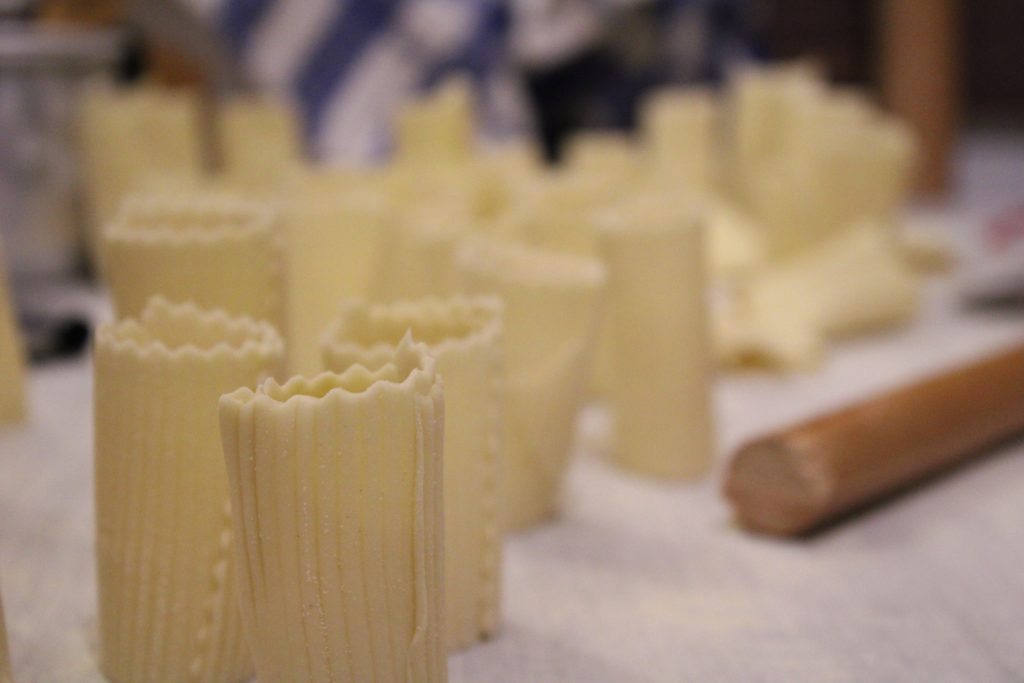
Normally broken ziti are used; I chose homemade calamarata — all you need is a thin rolling pin and you’re set.
To discover other recipes in preview you can follow my Facebook page.
You can find other recipes with homemade pasta below.
- Difficulty: Easy
- Cost: Economical
- Preparation time: 1 Hour
- Cooking time: 4 Hours
- Portions: 4
- Cooking methods: Stovetop
- Cuisine: Italian
- Seasonality: All seasons
Ingredients The Genovese Meets the Calamarata.
To prepare the Genovese with calamarata.
- 14 oz beef rump (scamone) (Or lamb meat)
- 2.2 lb yellow onions
- 1 glass white wine
- to taste olive oil
- to taste salt
- 2 cups semolina
- 1 pinch salt
- to taste water (Warm. Until you obtain a firm, workable dough.)
Tools needed for the Genovese with calamarata
A thin rolling pin about 5/8 in in diameter, a pot for the pasta and an earthenware pan for the sauce. Alternatively, a heavy-bottomed pot to prevent sticking due to the long cooking time. Knife for the onions and a cutting board.
- Tegami
- Coltelli
Procedure Genovese with calamarata
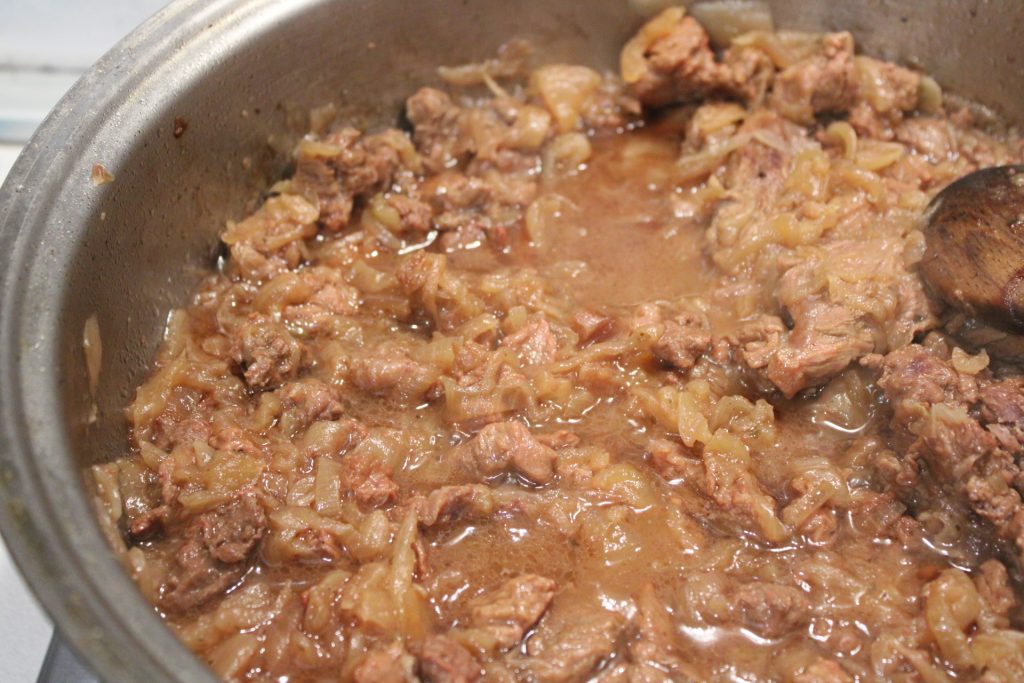
First of all, thinly slice the onions and sauté them in a large pan.
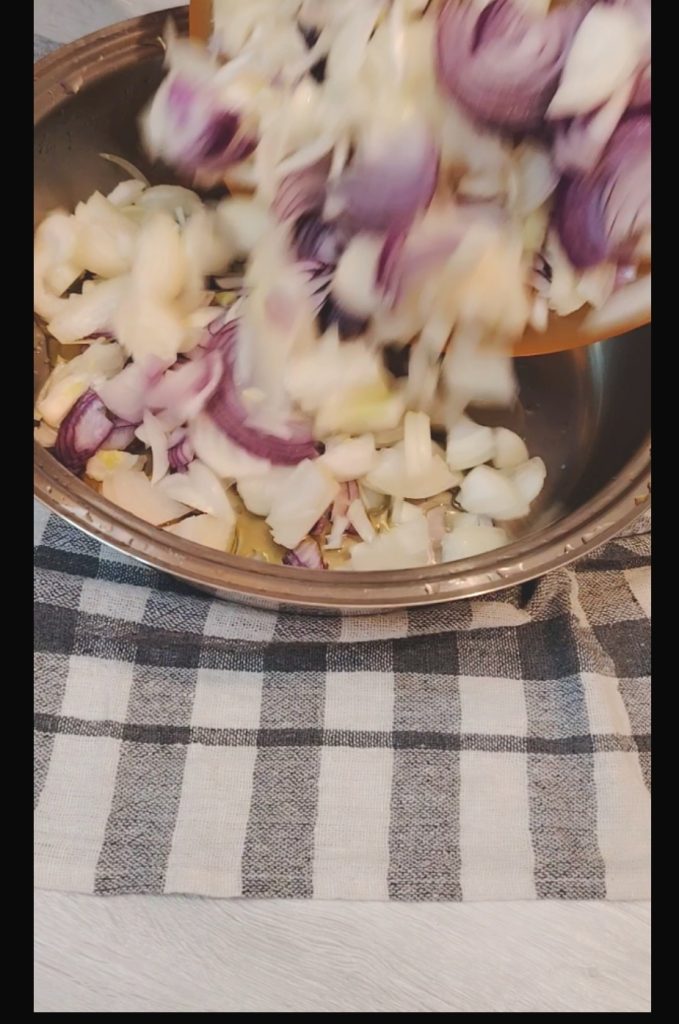
Then add the meat cut into small pieces. Some prefer larger chunks; I go for small pieces. Brown well, add the wine and let it evaporate.
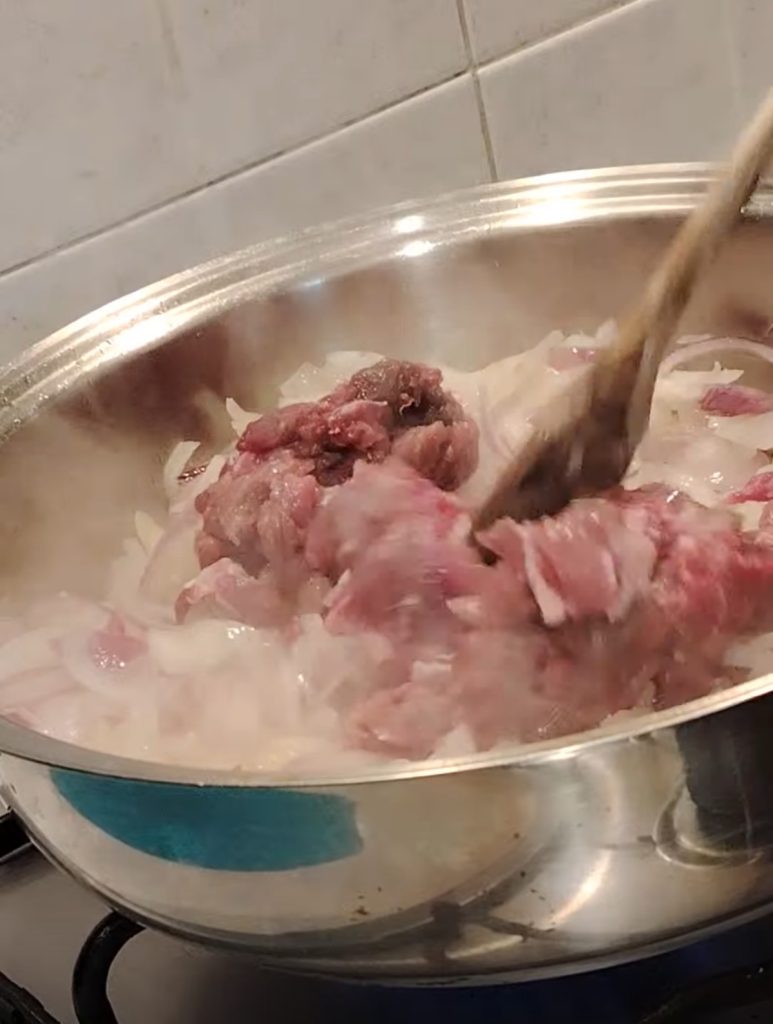
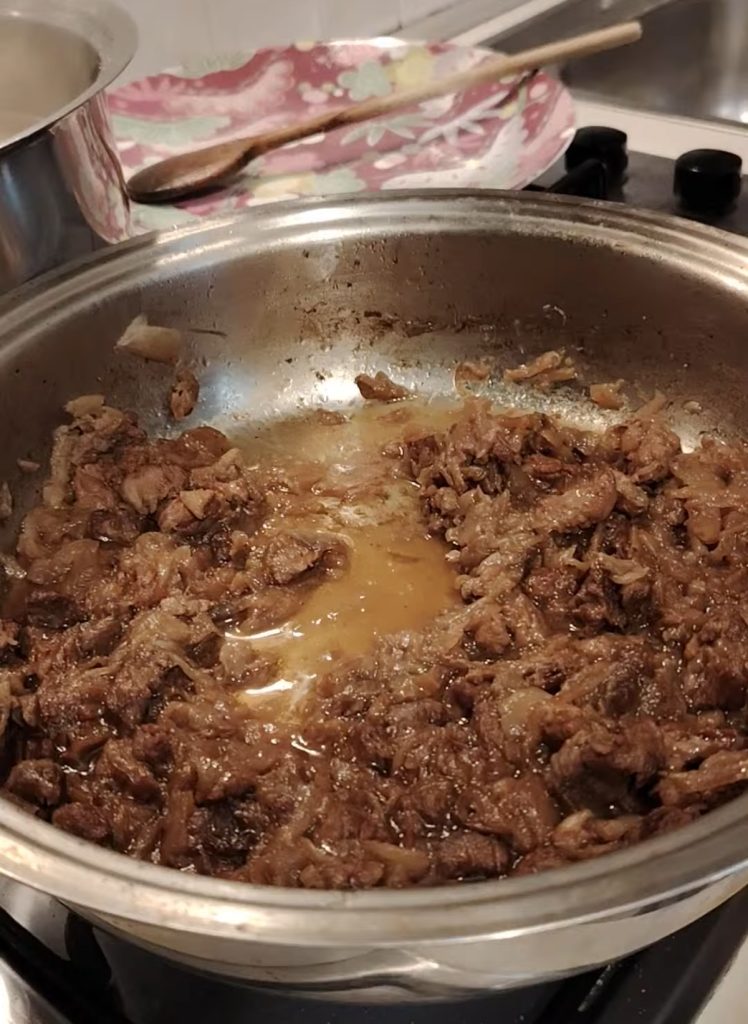
Finally, season with salt and cook slowly for at least three hours. The onions should become transparent and creamy, and the meat will fall apart into many strands.
Meanwhile prepare the pasta. Mix the listed ingredients and let the dough rest for about thirty minutes. Cut into rectangles about 3/4 x 2 3/8 in and wrap them around the rolling pin. Pass them over a gnocchi board to seal.
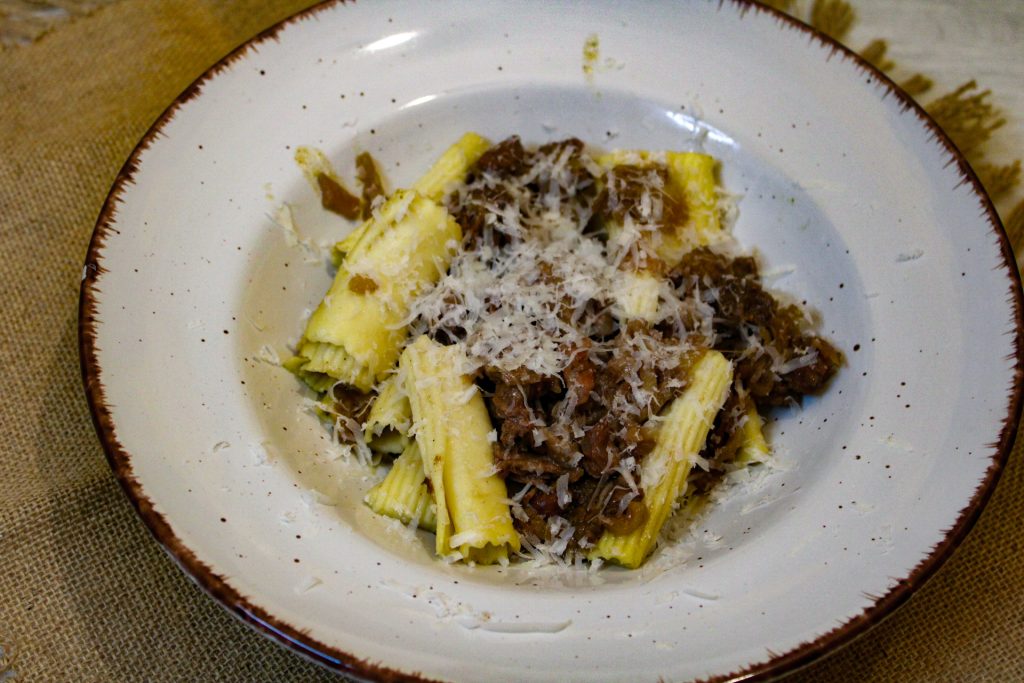
Cook in salted boiling water and transfer while still al dente into the sauce.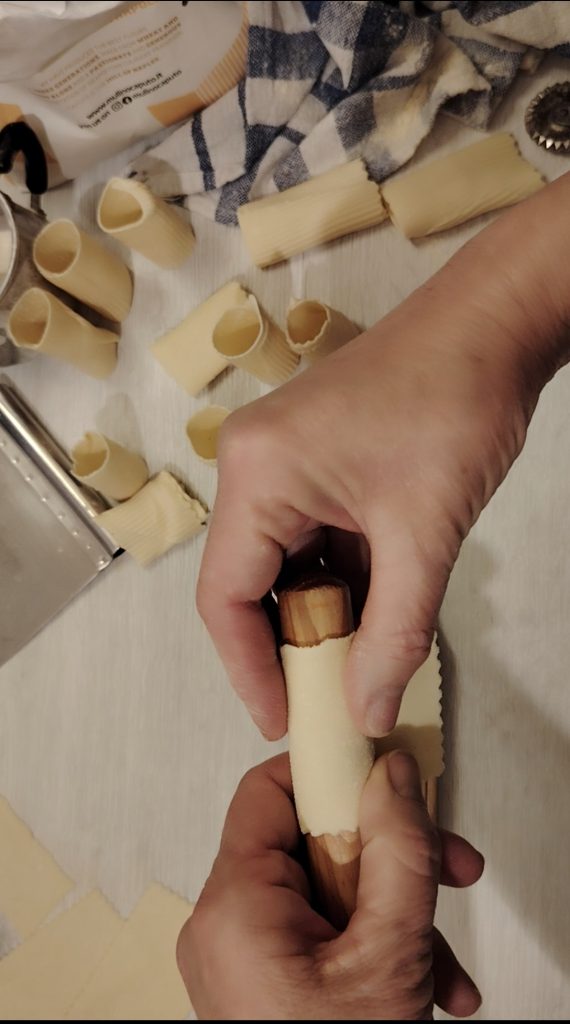
Serve very hot with grated cheese.
A few extra tips
Don’t rush — that’s my most passionate piece of advice. The Genovese needs very slow cooking, because it must create a creamy mixture with the meat, transparent and amber-colored.
You can also dress broken ziti, or mezzane.
Amazingly good with grilled polenta. Or inside a Calabrian pitta which I used to stuff with Genovese made with lamb.
“My first encounter with this recipe dates back to the distant 1980s. I had just been married and my familiarity with Neapolitan stoves was still to be built. My kitchen has always been a crossroads of flavors: my roots intertwined with those of my husband, split between Naples and Romagna.
Just over twenty, I took my first steps among regional traditions, accompanied by a thousand uncertainties. I still remember those ‘slaps’ seasoned with a sauce where oil reigned supreme and the onions remained almost transparent, with only a few pieces of meat. Yet it was precisely from those experiments that my cooking began to grow, becoming, over time, authentic, credible and decidedly tasty.”