First, a bit of research on how I came to prepare this light hummus. Hummus is an Arabic word that literally means “chickpeas,” but in fact, “hummus” more commonly refers to the typical chickpea paté made with tahini, which is sesame seed paste, oil, garlic, lemon, and cumin and eaten with pita bread or vegetables. There are many variations from this, even with other legumes, depending on the region of origin. The name hummus is the one most commonly used in Italy, but other names include: houmous, hummous, hommos, humos, hommus, and hoummos. In Arabic, it is written as follows: الحمص, which means “chickpea.”
In London, I could easily find even light versions of hummus in any supermarket. Here in the Netherlands, however, the classic version is much greasier and also full of unnecessary ingredients, so I had to experiment to find the right combination of ingredients to achieve the flavor I desired without adding too much fat. Fortunately, I was able to do some research online and get various ideas, even from the Weight Watchers recipes on the American site, and in the end, I was very satisfied with my version of light and also vegan hummus. Now I’ll explain how to prepare it.
You can find other similar recipes or other condiments here:
- Difficulty: Very Easy
- Cost: Cheap
- Preparation time: 10 Minutes
- Portions: 4
- Cooking methods: No Cooking
- Cuisine: Healthy
- Seasonality: All Seasons
Ingredients
If you are cooking the chickpeas yourself, read the instructions below in the FAQ.
- 7 oz canned chickpeas
- 1 tbsp soy yogurt (or other plant-based yogurt)
- 0.5 oz tahini (that is, sesame paste)
- Half lemon (juice and grated zest)
- 1 clove garlic
- 1 tsp ground cumin
- 1/4 tsp salt
- A few tbsp water (or chickpea cooking water)
- to taste chopped parsley (optional, for garnish)
- to taste sweet paprika (optional, for garnish)
- Points per serving = 2 WW points
Tools
- Small Bowls
- Knife
- Hand Blender
- Lemon Zester
- Terracotta Bowls
Steps
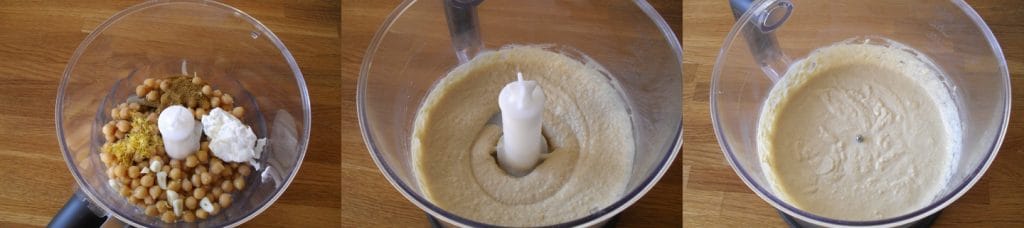
Preparing light hummus is very simple. If you cooked the chickpeas yourself, set aside some of the cooking water. Weigh the indicated amount of cooked chickpeas and place them in the chopper bowl of the hand blender or the appropriate cup. Also, add the garlic sliced, the grated zest and juice of half a lemon, the tahini, cumin, yogurt, and a tablespoon of water or chickpea cooking water. Blend and taste: add a pinch of salt and/or water until you get the flavor and consistency you prefer.
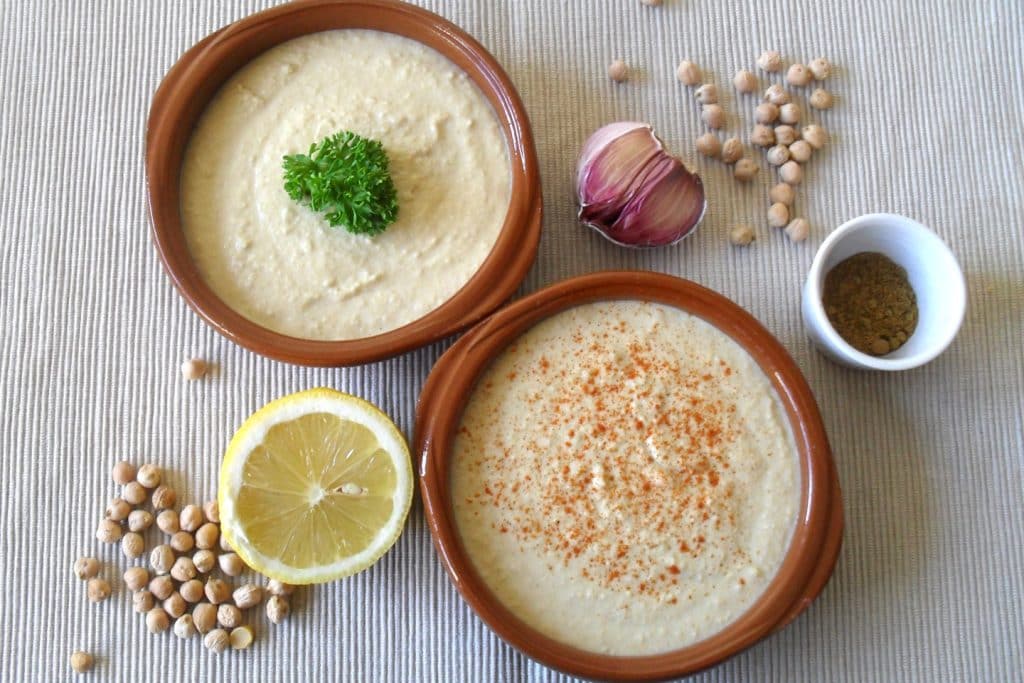
Our light hummus is ready! I like to serve it in old terracotta bowls and garnish with chopped parsley or a sprinkle of sweet paprika.
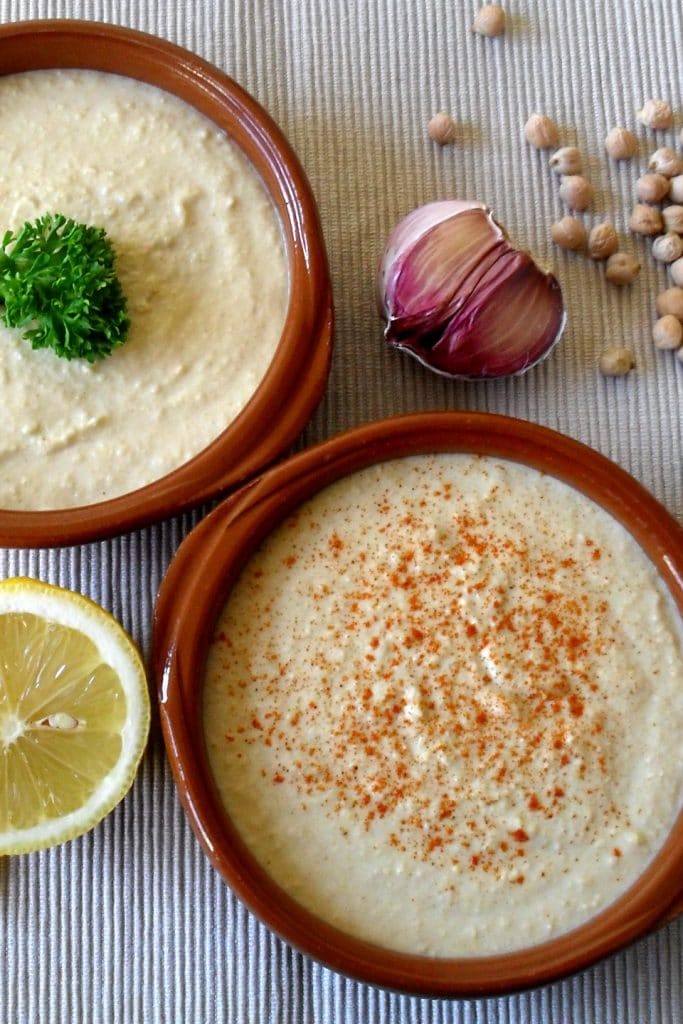
You can then enjoy it with slightly warmed and sliced whole wheat or Arabic bread and lots of vegetables cut into sticks: carrots, celery, bell peppers, fennel are some examples.
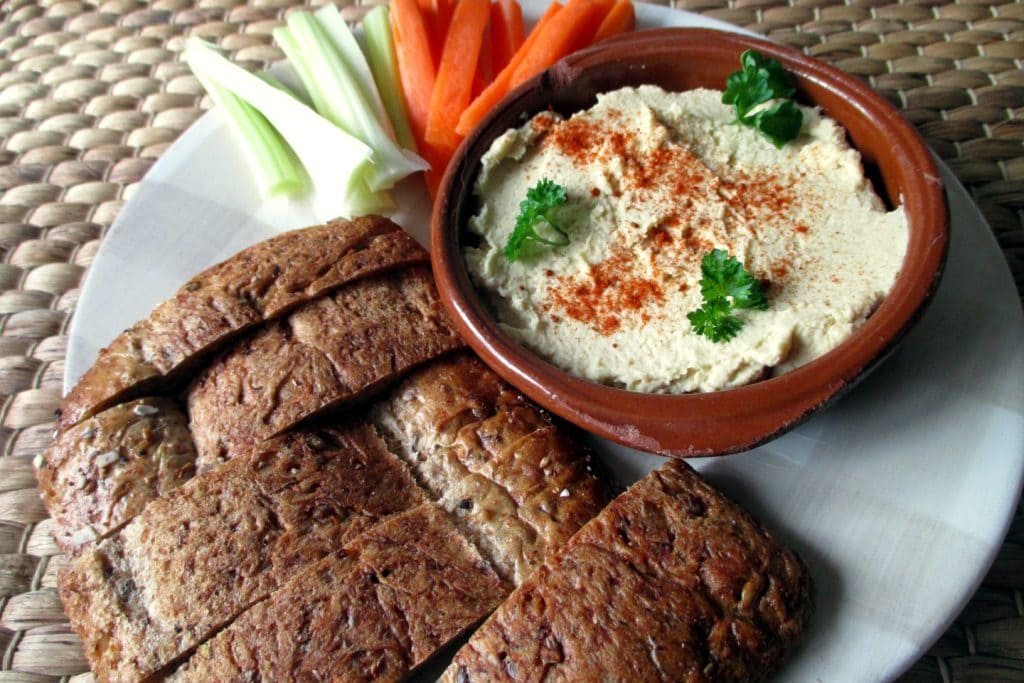
I usually serve it as an appetizer or eat it for breakfast or as a snack when I want a more energetic bite. Let me know how you like to enjoy it!
Bon appétit!
by Giovanna Buono
Storage and Curiosities
This hummus keeps in the fridge for 5 days and can be frozen for 5 months.
Sometime ago, I found a comment from a Lebanese girl, Ramia, who explained the following interesting things about hummus to me. I’m copying the entire message here: “Only salt, pepper, garlic, sesame paste, lemon, and to soften it, olive oil. When you add cumin, like a couple of teaspoons, it becomes darker and is called hummus kammouni (from kammoun = cumin). Then, if you add plenty of finely chopped parsley to the initial recipe, it becomes hummus beiruti (i.e., from Beirut, the capital of Lebanon). These are the recipes that have been passed down to me.” Thank you, Ramia, for all the explanations!
FAQ (Questions and Answers)
How do I use dry chickpeas?
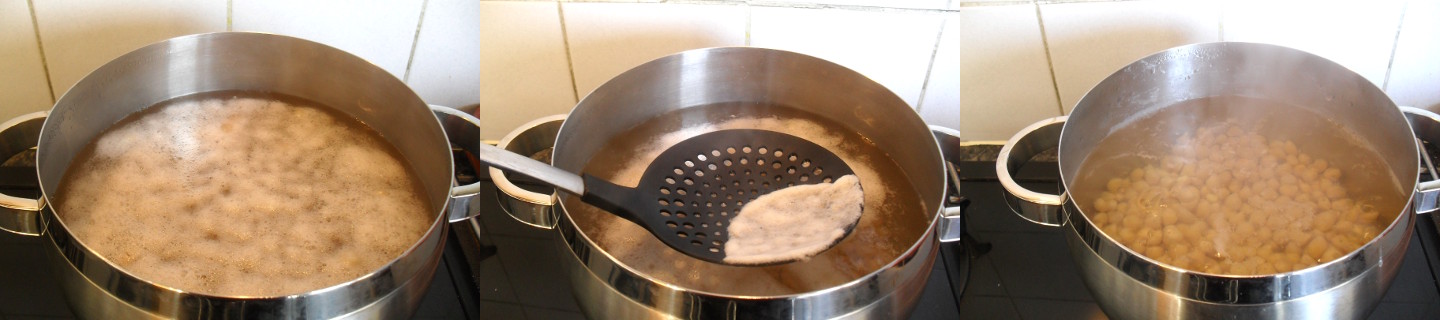
If you want to cook them yourself, soak about 100 g (3.5 oz) of dry chickpeas overnight, rinse them, and then boil them in unsalted water. Skim the surface at the first boil, cover with water and let simmer gently. If after a couple of hours the chickpeas are still hard, add a pinch of baking soda to soften them quickly and continue for another half hour. Once cooled, you can also remove the skins, making them more digestible. Take the amount you need and freeze the rest.