
The Wild Fennel Pesto is a delicious sauce from Sicilian tradition, perfect for dressing pasta, for canapés or to accompany a focaccia. So not only first courses but also aperitifs and appetizers! This wild aromatic herb is one of my favorites. It grows abundantly along field edges even in Tuscany, but it is generally the dried flower that’s used. I have a real passion for this spice and I always add it to the dough for my bread. Since I saw bunches for sale, a whole new world opened up and the first thing I wanted to make was a big pesto! It’s very easy to make — I used my trusty Bimby but any food processor or an immersion blender will do… it will be a real discovery, I promise!
For other delicious sauces I suggest taking a look at these links:
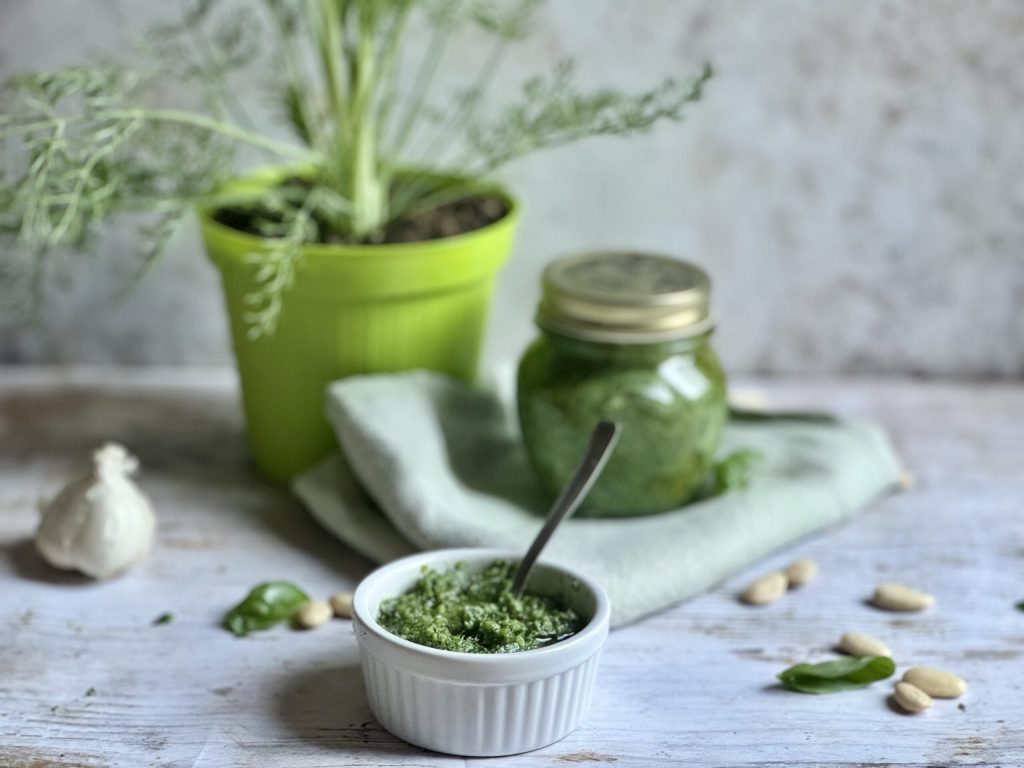
- Difficulty: Very easy
- Cost: Very affordable
- Rest time: 30 Minutes
- Preparation time: 15 Minutes
- Cooking methods: No-cook
- Cuisine: Italian
- Seasonality: Spring, Summer
Ingredients for wild fennel pesto
Ingredients
- 2 bunches wild fennel (about 6–7 oz cleaned (about 180–200 g))
- cup (fresh leaves) basil
- 1 clove garlic
- 2 oz (about 1/2 cup, grated) Pecorino Romano (grated)
- 2 oz (about 1/2 cup, grated) Parmesan (Parmigiano Reggiano) (grated)
- 1/2 cup (about 2.5 oz) shelled almonds
- 5 fl oz (about 2/3 cup or 10 tbsp) extra virgin olive oil
- tsp salt (ONLY IF NEEDED)
Useful tools for wild fennel pesto
- 1 Food processor
- 1 Bowl
- 1 Spatulas
- 1 Paper towels
- 2 Jars
- 1 Saucepan
- 1 Scissors
Steps
Making wild fennel pesto is very easy. The only precaution (unlike many other raw vegetable-based sauces) is that this wild herb needs to be blanched to tame its stronger flavor and to make it easier to chop. Wild fennel has some parts that are quite tough and fibrous.
Trim the bunches of wild fennel, removing the toughest, woody parts.
Weigh what remains: it should be at least 170 grams. Break longer stems into pieces to make handling easier.
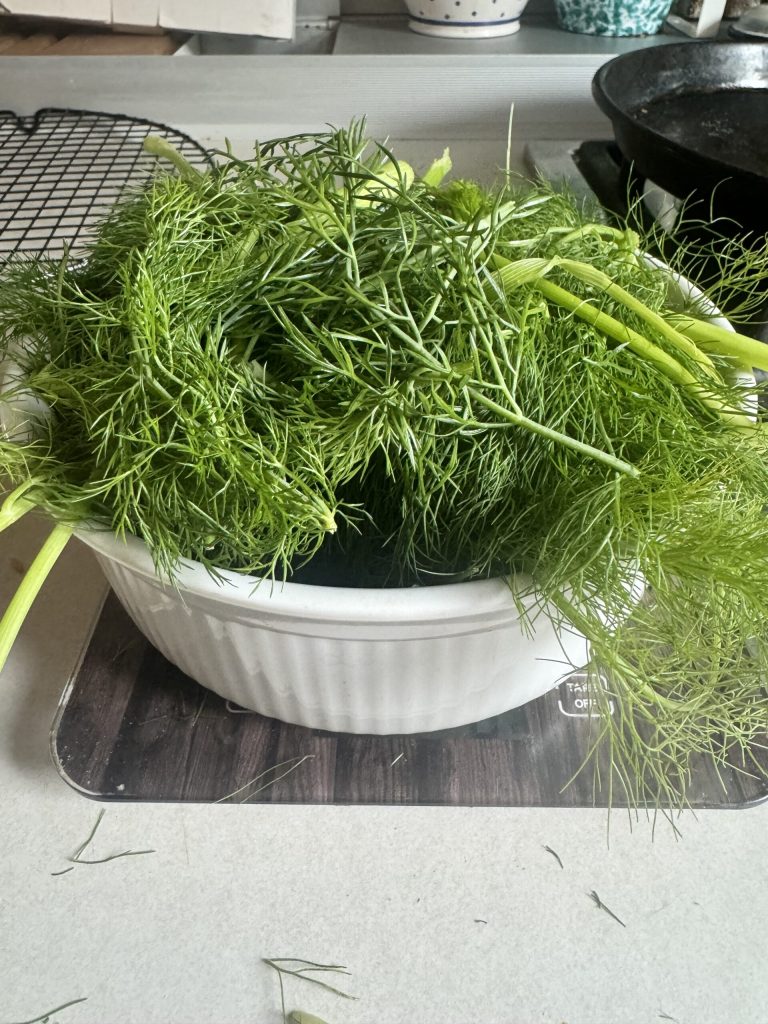
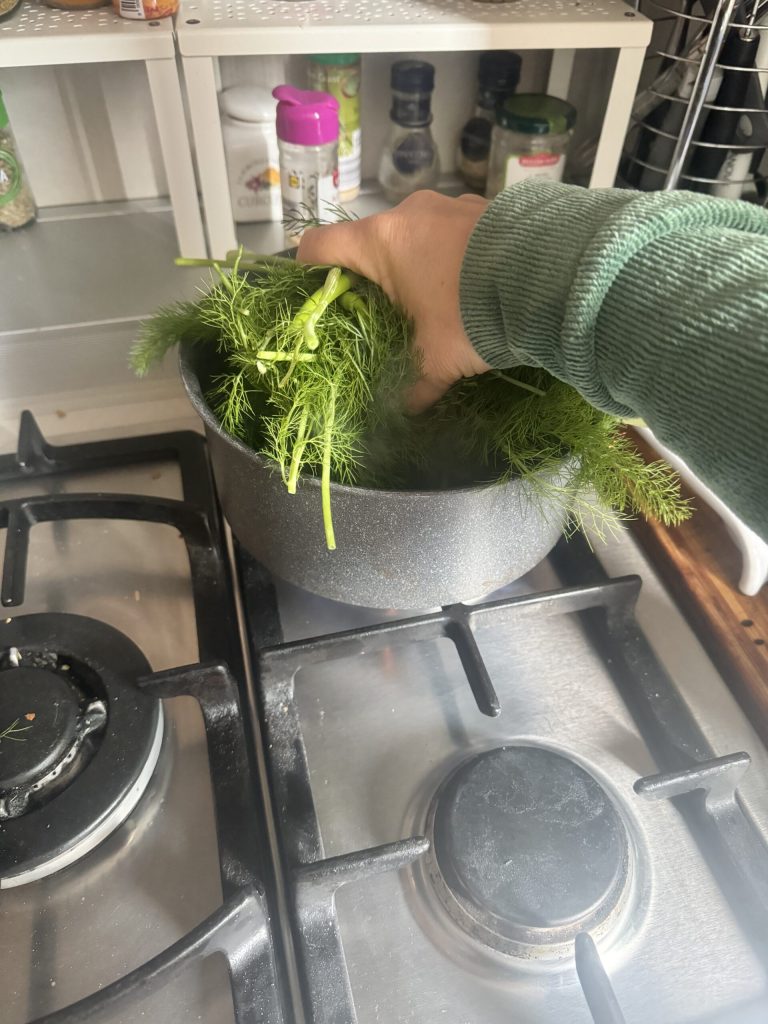
Place a saucepan on the heat with a pinch of coarse salt. When the water comes to a boil, immerse the wild fennel.
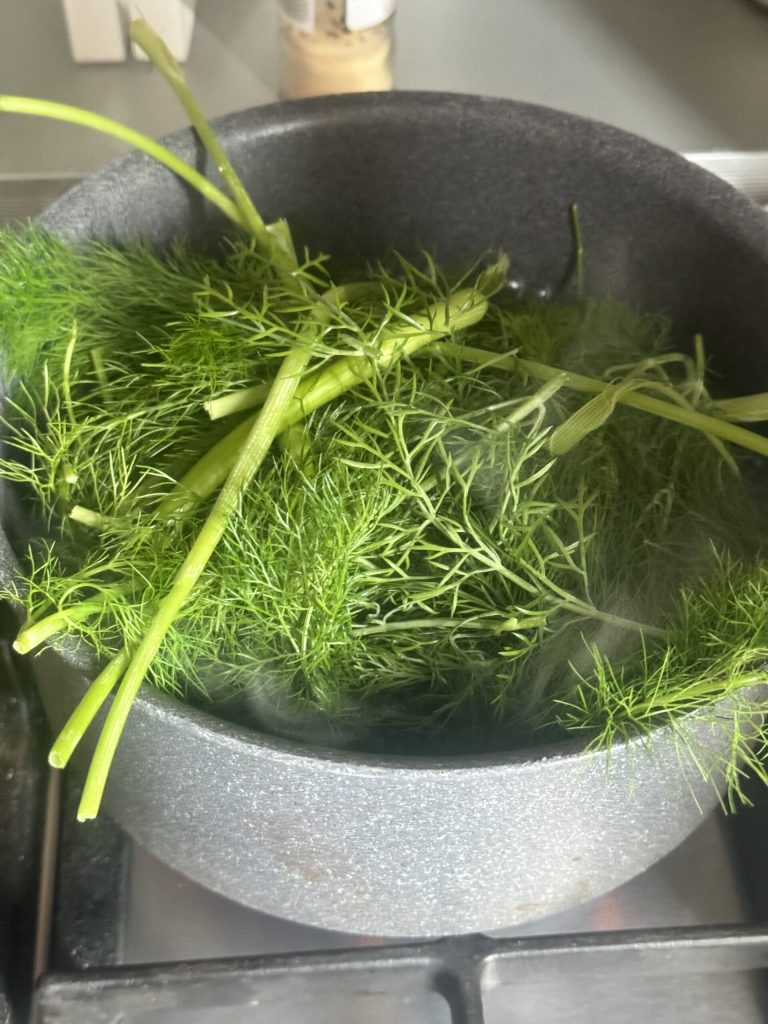
Blanch the fennel for 3–4 minutes at most, turning it over while cooking.
Turn off the heat and transfer the fennel to a bowl filled with very cold water. This will stop the cooking and help keep the plant’s bright green color.
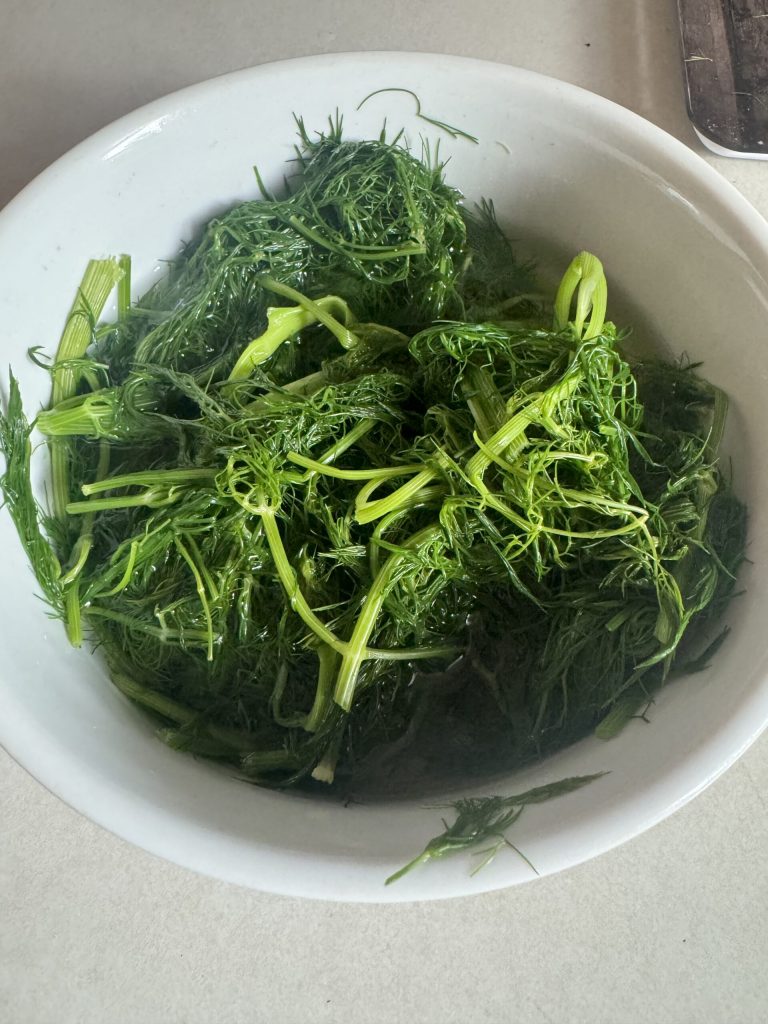
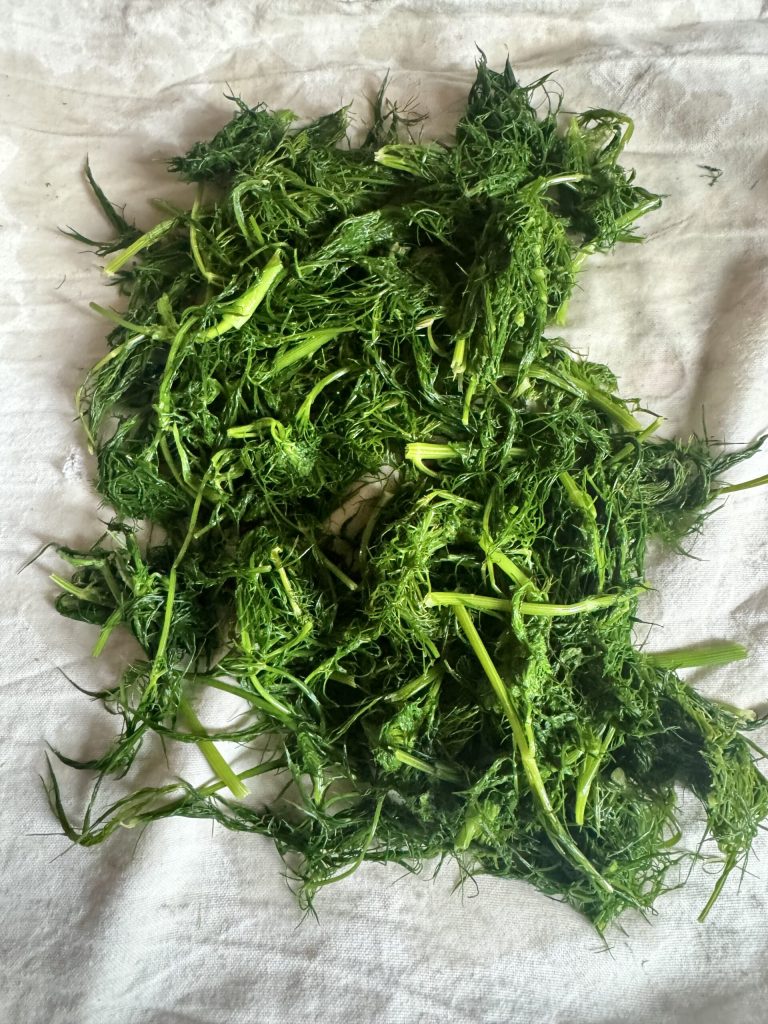
After a couple of minutes, spread the fennel on a kitchen towel and dry thoroughly using paper towels (or another towel).
As I explained in the introduction, I used my faithful Bimby TM31, but you can use any food processor or an immersion blender. If you make the pesto in a food processor, you can optionally pass it through an immersion blender afterward to make it smoother. I like it a bit rustic, but a smoother finish is also nice!
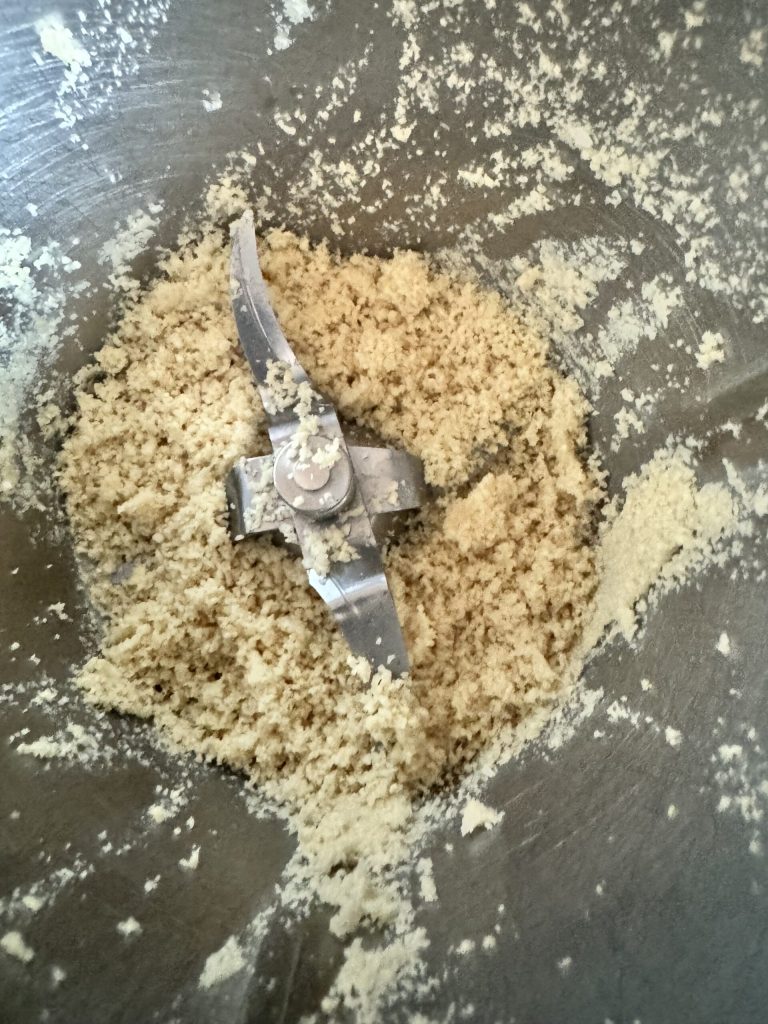
Place the shelled almonds and the clove of garlic (with the core removed) in the food processor.
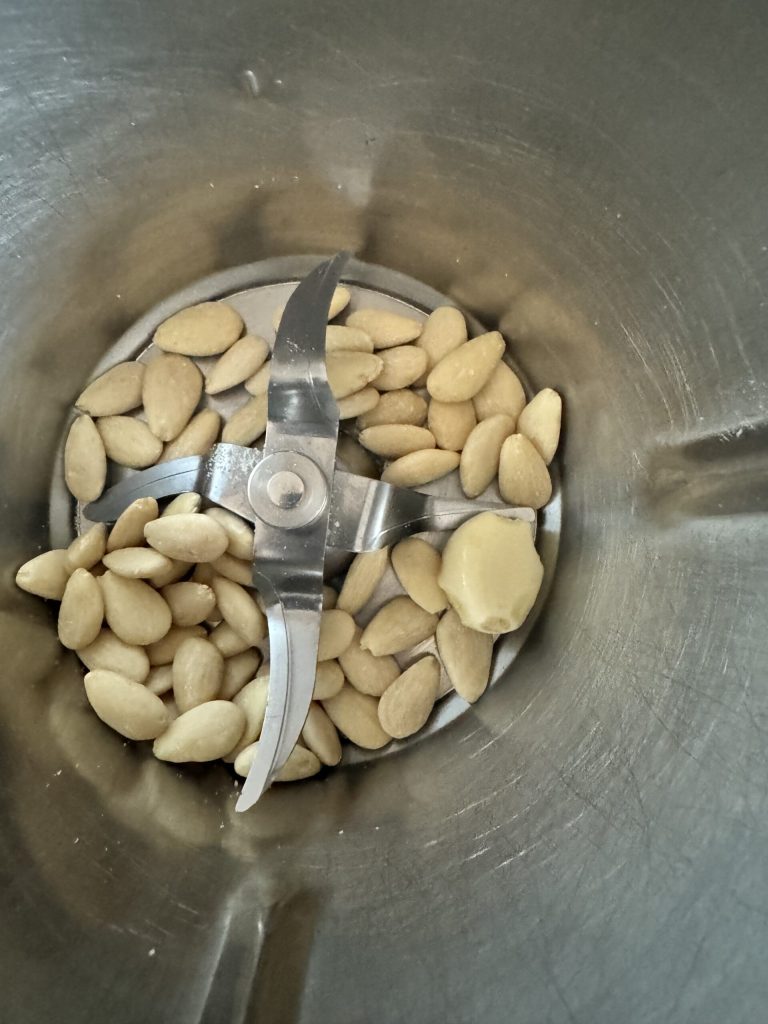
Chop at speed 7/8 for 10 seconds.
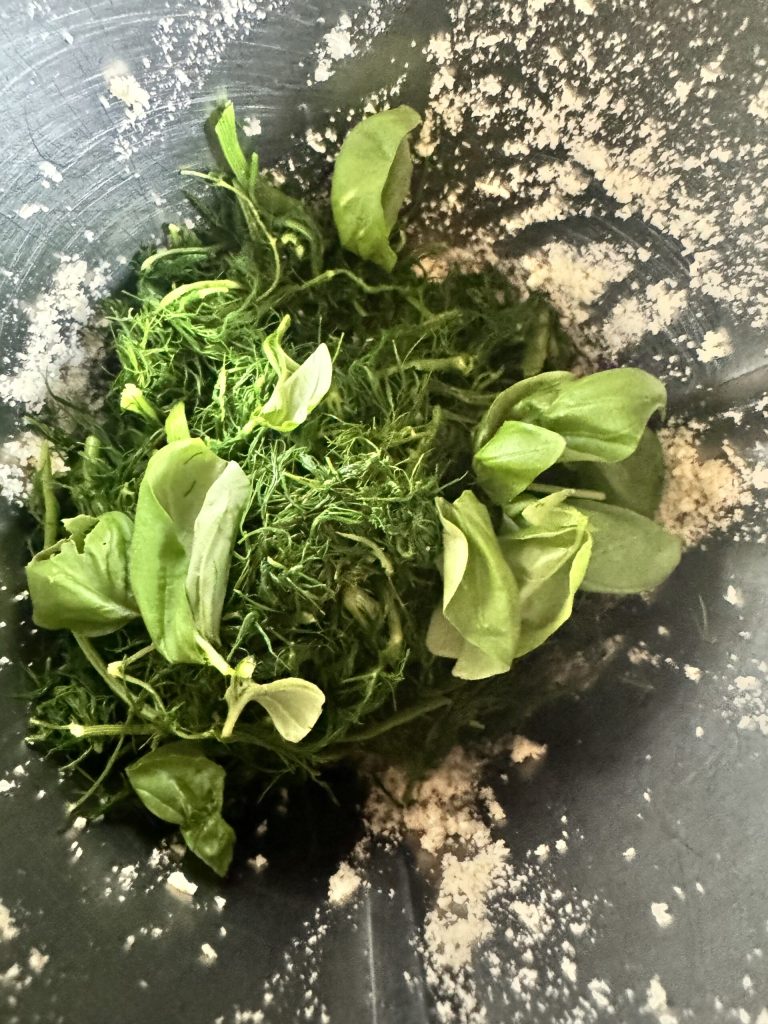
At this point add the wild fennel and the basil leaves. The basil is optional, but I think it gives a nice fresh note to the whole pesto. I recommend breaking up the fennel a bit to avoid it getting tangled in the processor blades.
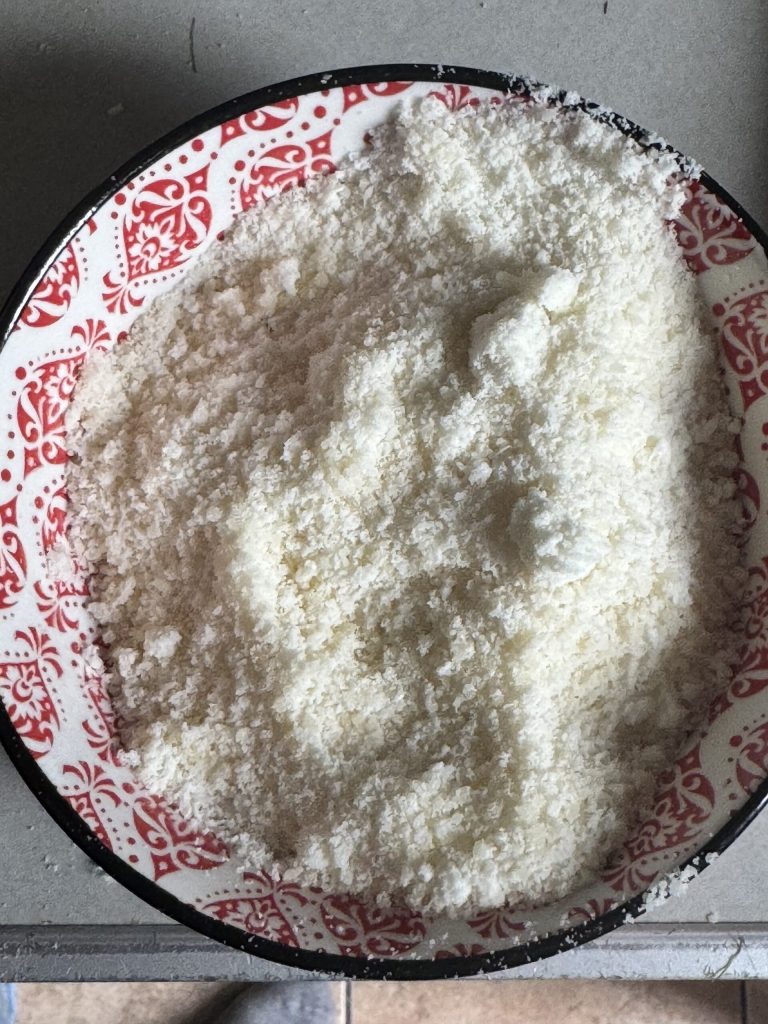
Grate the Pecorino Romano and the Parmigiano Reggiano and combine them in a bowl.
Add them to the processor bowl with the other ingredients.
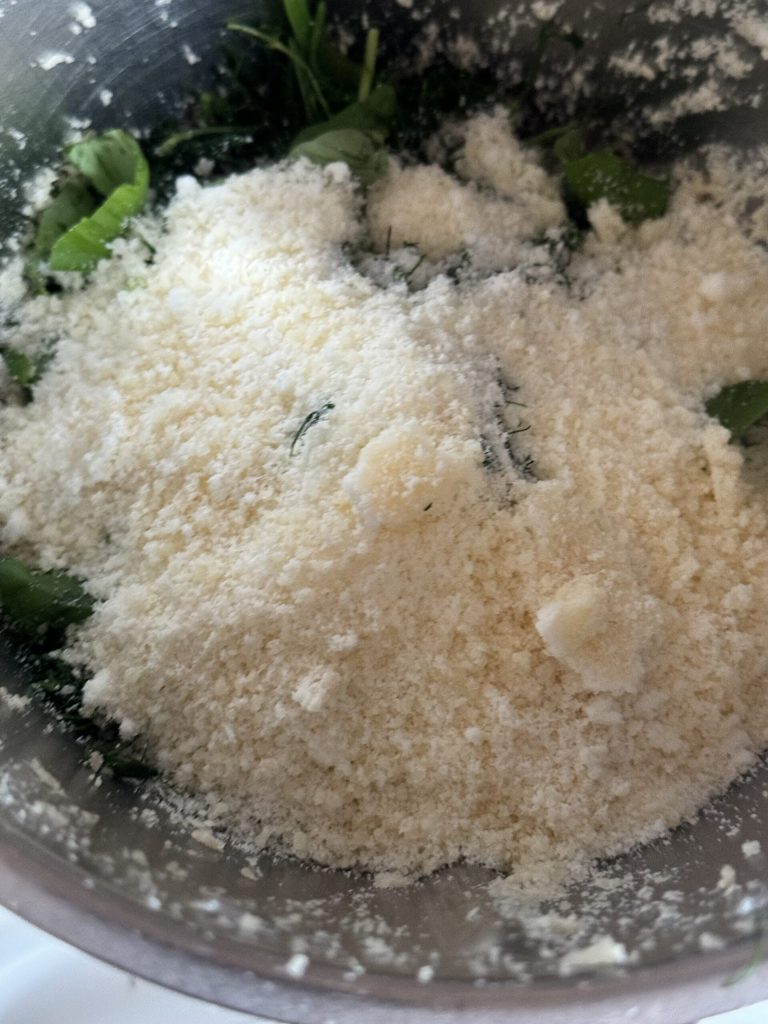
Blend everything together while adding half of the oil in a thin stream through the feed tube. I started in the Bimby at speed 5 for about 1 minute, then raised it to 7/8 for another minute. But this also depends on how smooth or rustic you want the sauce to be.
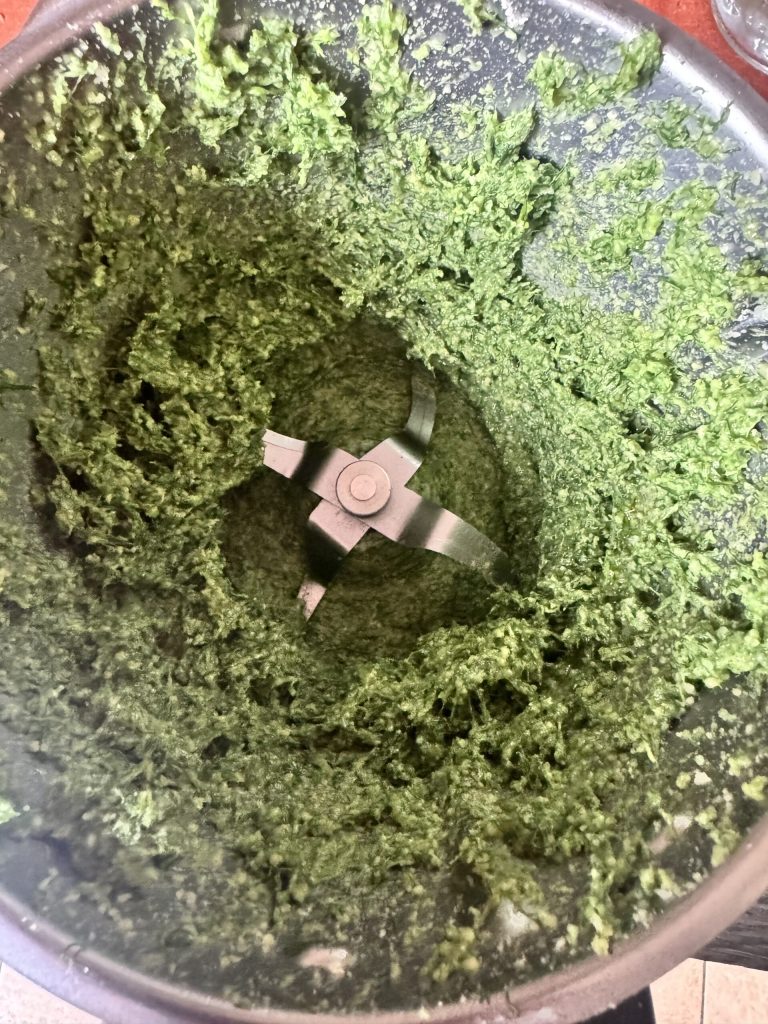
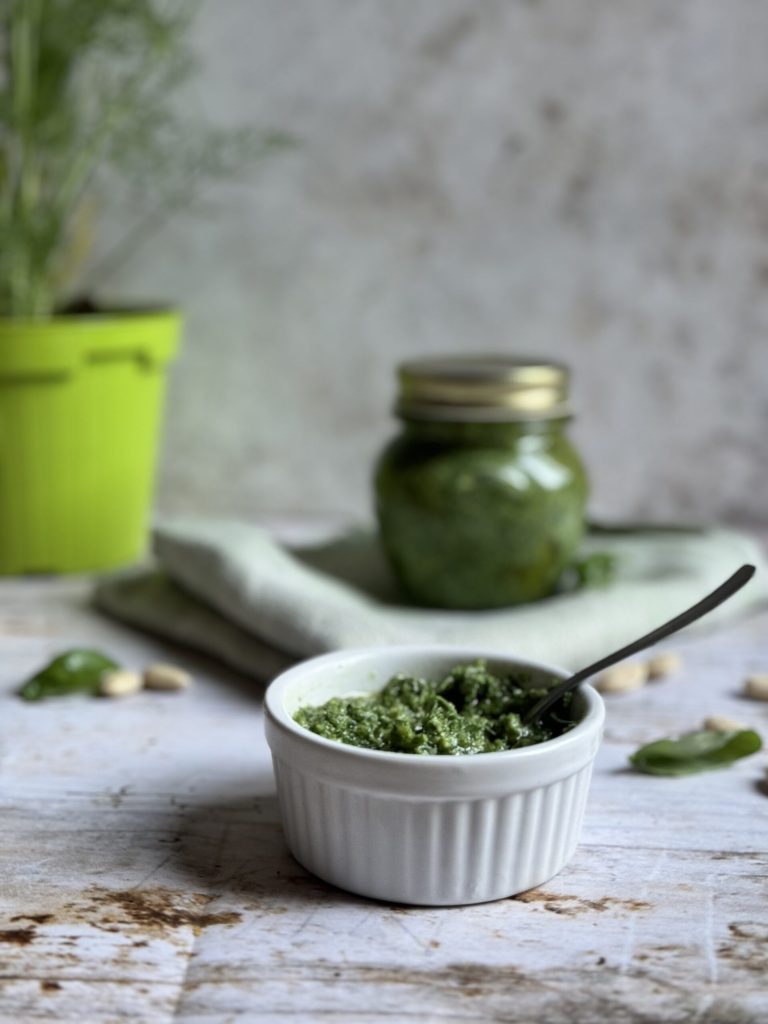
At this point the pesto is ready. Transfer it to jars, add the remaining oil and mix well. Seal tightly and store in the refrigerator until use.
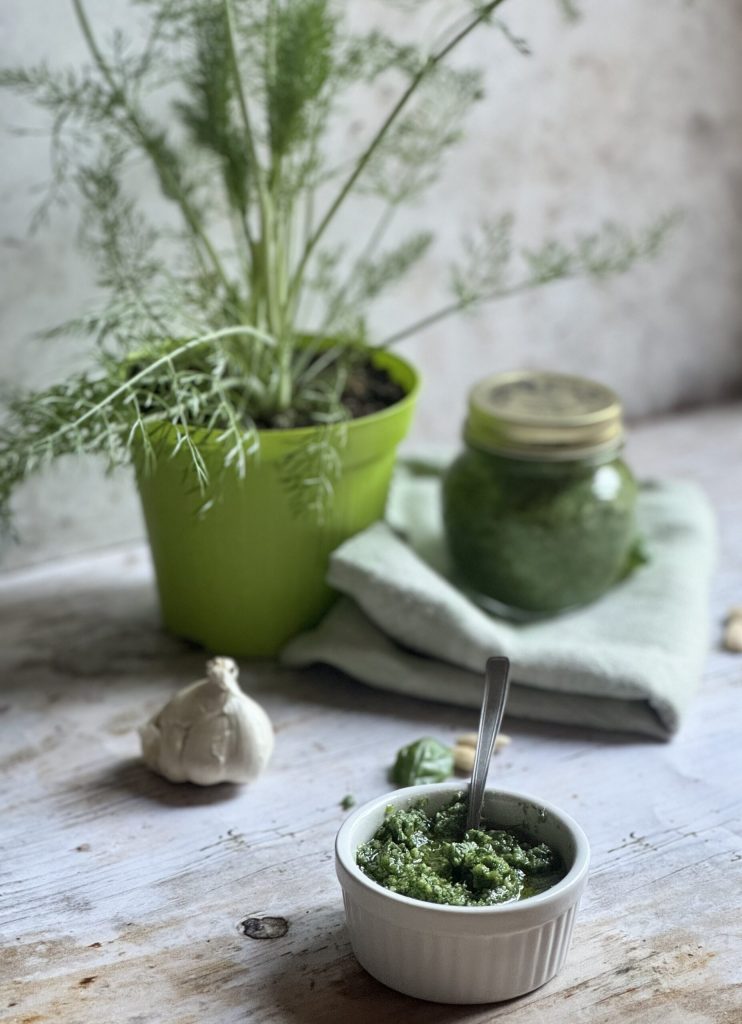
Wild fennel pesto keeps for two to three days in a tightly sealed jar with a thin layer of oil on top, since the jar has not been vacuum-sealed. This sauce is delicious on bread; with an anchovy fillet it becomes a wonderful crostini to serve at aperitifs. Of course it’s a great alternative to the many commercial pestos for dressing pasta! If you think of other uses, tell me about them on Instagram, I’ll be waiting for you!
FAQ (Questions & Answers)
I don’t have almonds — what can I use?
Almonds can be substituted with pine nuts or cashews in the same quantity.
What if I don’t have exactly the amount of wild fennel called for?
You can make up the missing amount by adding more basil. It’s also fun to play with the proportions of basil and fennel to obtain slightly different flavors!
