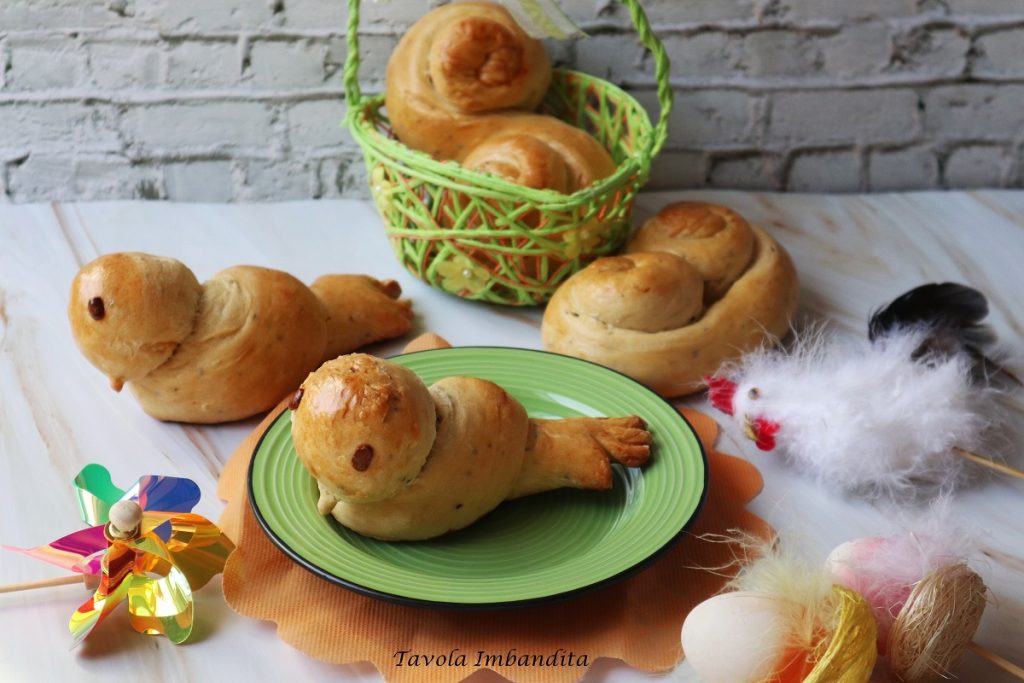
A recipe I prepared for the holidays: the savory Easter cuddure.
A Calabrian recipe (also common in other southern regions) prepared during Holy Week as a sign of good wishes and prosperity.
The term cuddura in Italian means crown; indeed the dough is braided into a circular shape on which eggs are placed to represent life and resurrection.
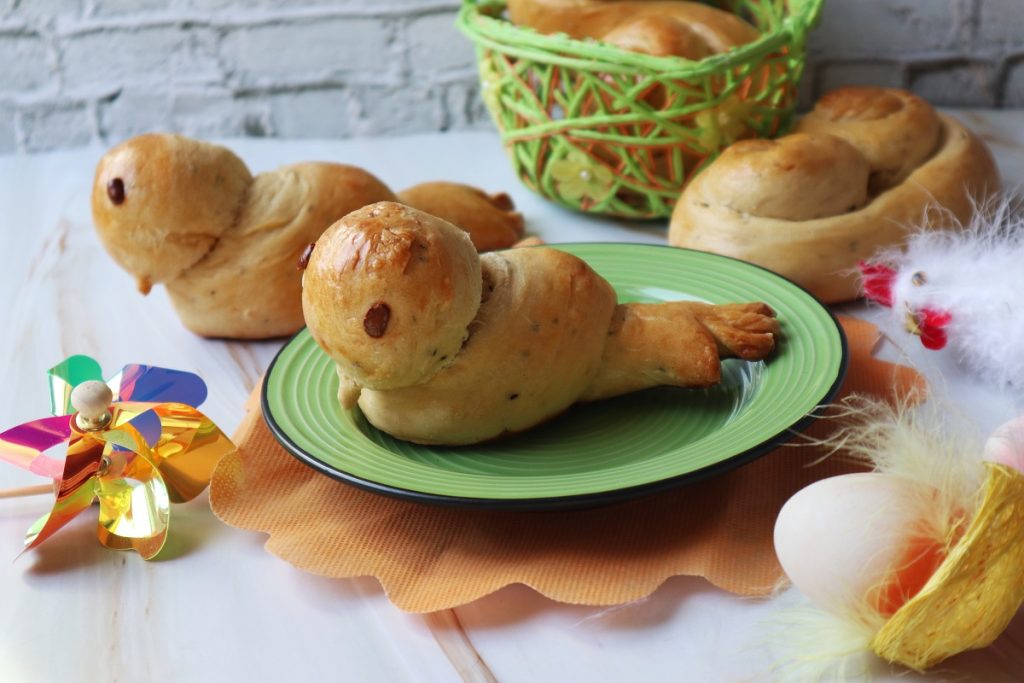
There are many possible shapes for this leavened bread: doves, bells — everyone can choose the symbol they prefer. I chose to make little doves and to create spirals without adding the egg because most of the time nobody eats it and it would end up in the trash.
The savory Easter cuddure I prepared are a kind of spiced bread with added lard; they make a great substitute for bread to eat with accompaniments, but are also delicious on their own thanks to the pleasant aromatic flavor given by Calabrian black anise, the so-called “aranzu”.
- Cooking methods: Electric oven
- Cuisine: Italian
- Seasonality: Easter
Ingredients
- 1 cup of water
- 0.9 oz fresh brewer's yeast
- 4 tablespoons of flour
- 4 cups Manitoba flour
- 4 cups 00 flour
- 3/4 cup lard
- 5 eggs
- 2/3 cup milk
- 1 tablespoon salt
- to taste white pepper
- to taste Calabrian black anise (aranzu)
- 1 egg yolk for brushing
- 1 espresso cup milk for brushing
Tools
- Stand mixer
Steps
To prepare the cuddure start by making the starter: pour one cup of water onto the crumbled fresh yeast and mix thoroughly to dissolve it completely.
Add four tablespoons of the measured flour to the liquid and whisk; you’ll obtain a loose batter.
Let it rise for 3 hours in the oven with the oven light on.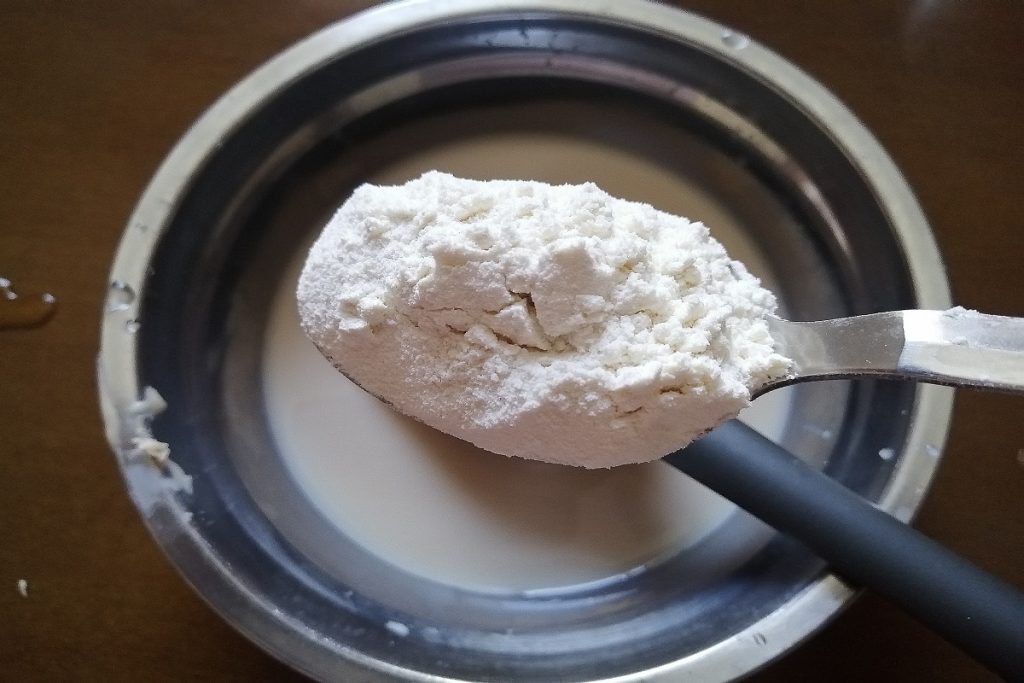
After the time has passed, you can begin kneading.
Place the combined flours and softened lard in the stand mixer bowl and work with the dough hook at medium speed for a few minutes.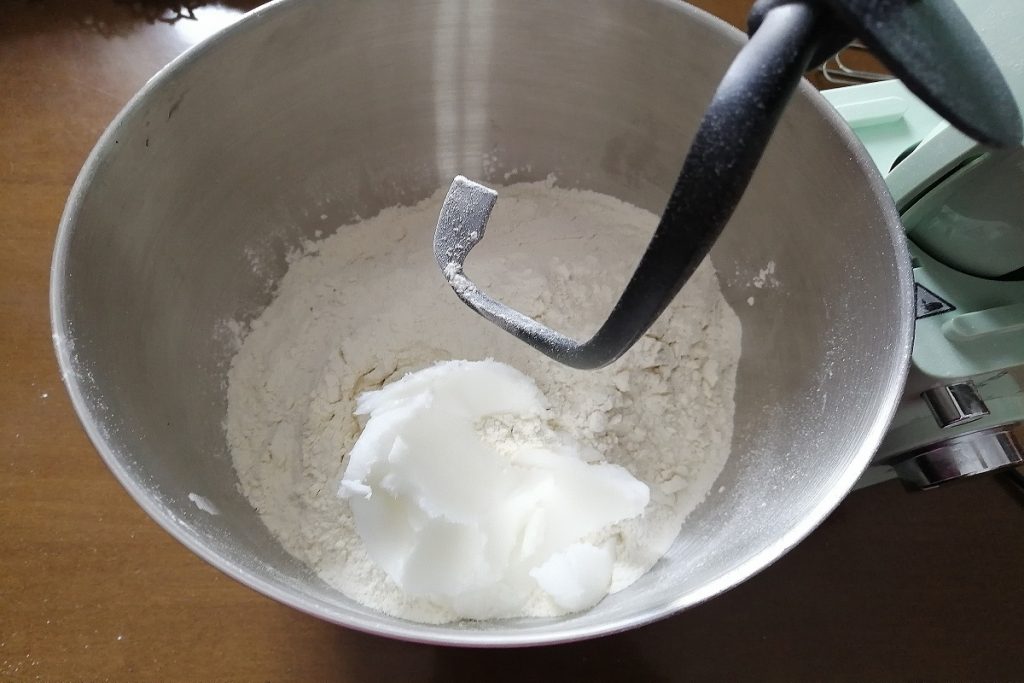
Incorporate the starter and the eggs.
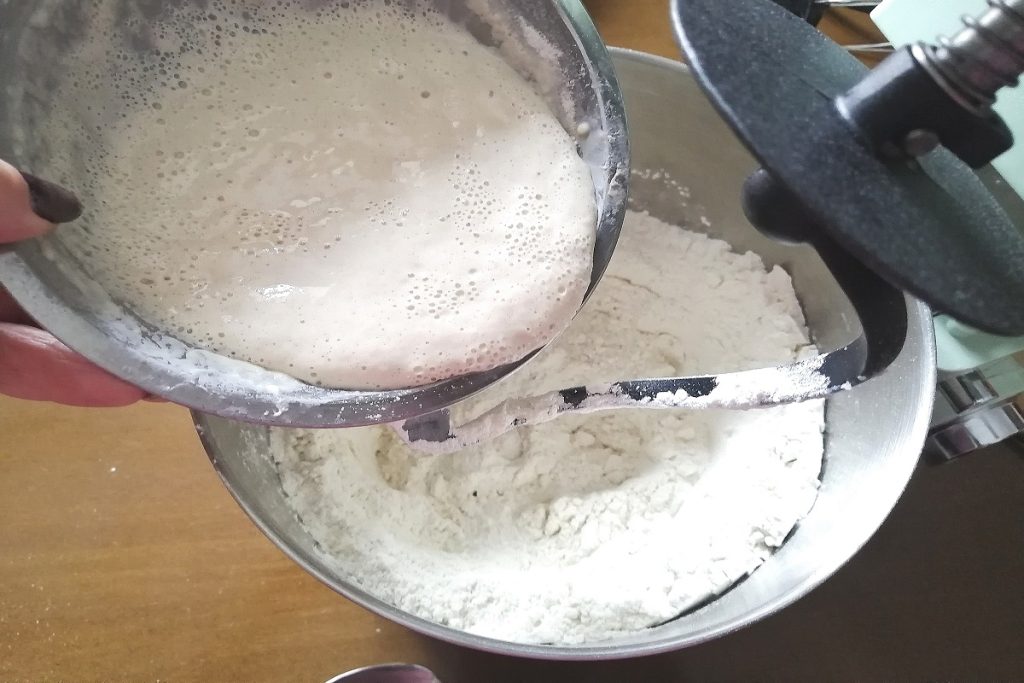
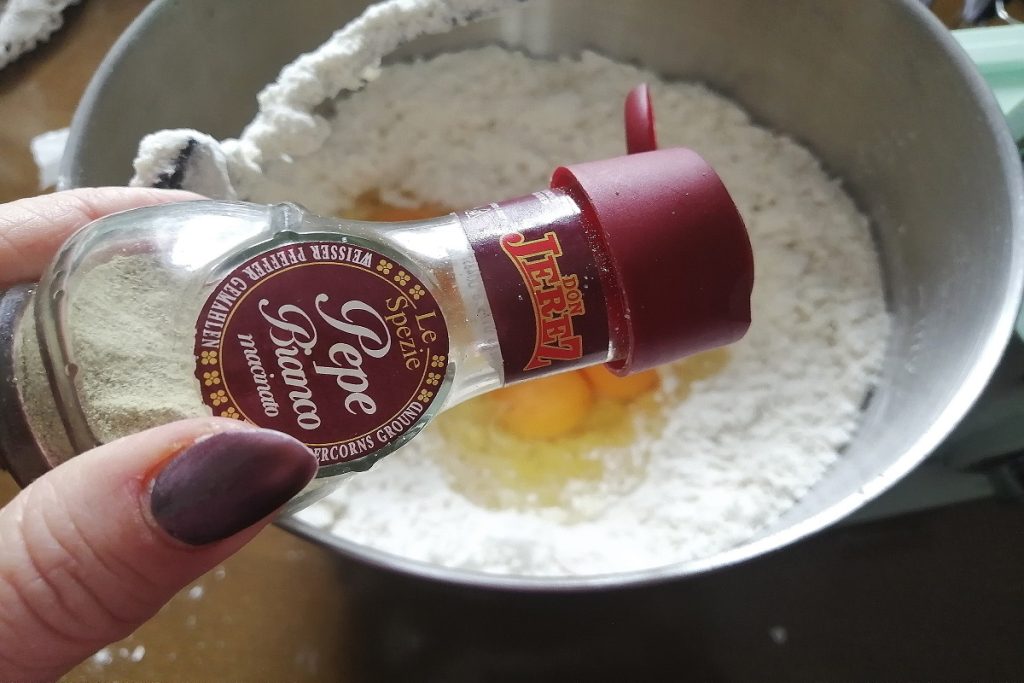
Add a pinch of white pepper and the salt.
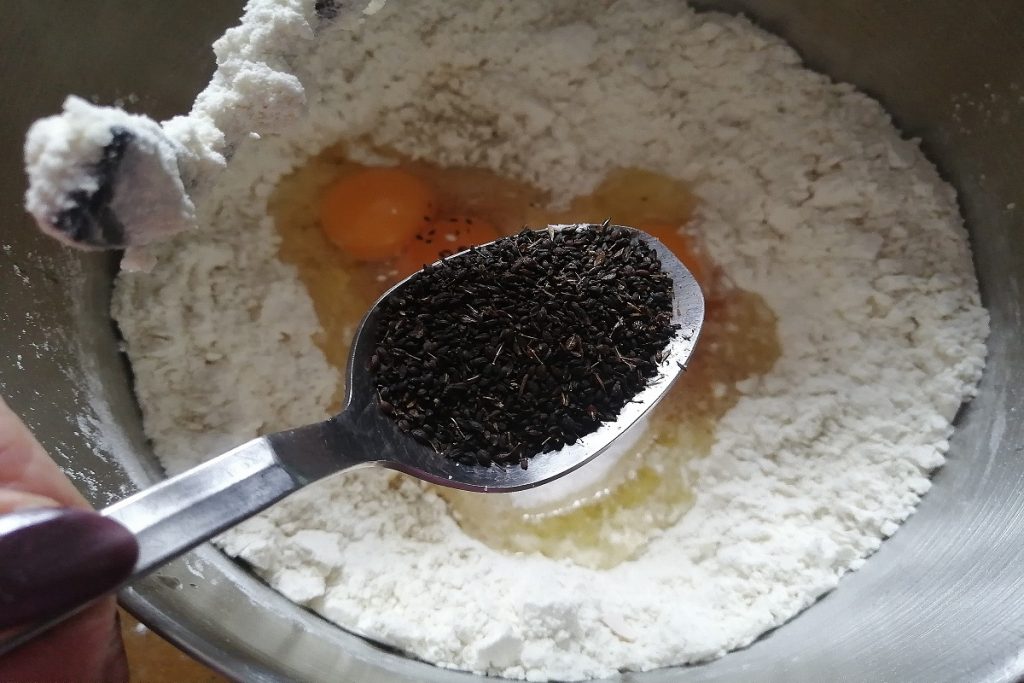
Finish with the black anise seeds and the milk.
Knead the dough for about ten minutes at medium speed; when the dough is compact and pulls away from the sides, it is ready.
Transfer it to a bowl with a lid and refrigerate overnight.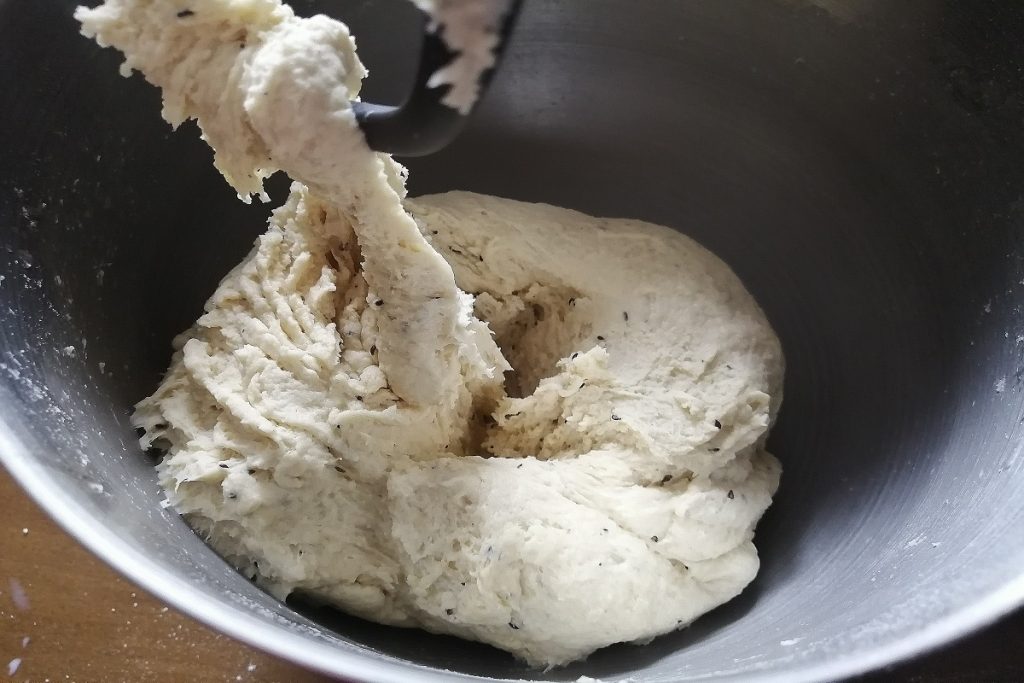
In the morning, transfer the risen dough to a work surface and perform a round of folds; let it rest for 30 minutes, then repeat the folds and rest for another 30 minutes.
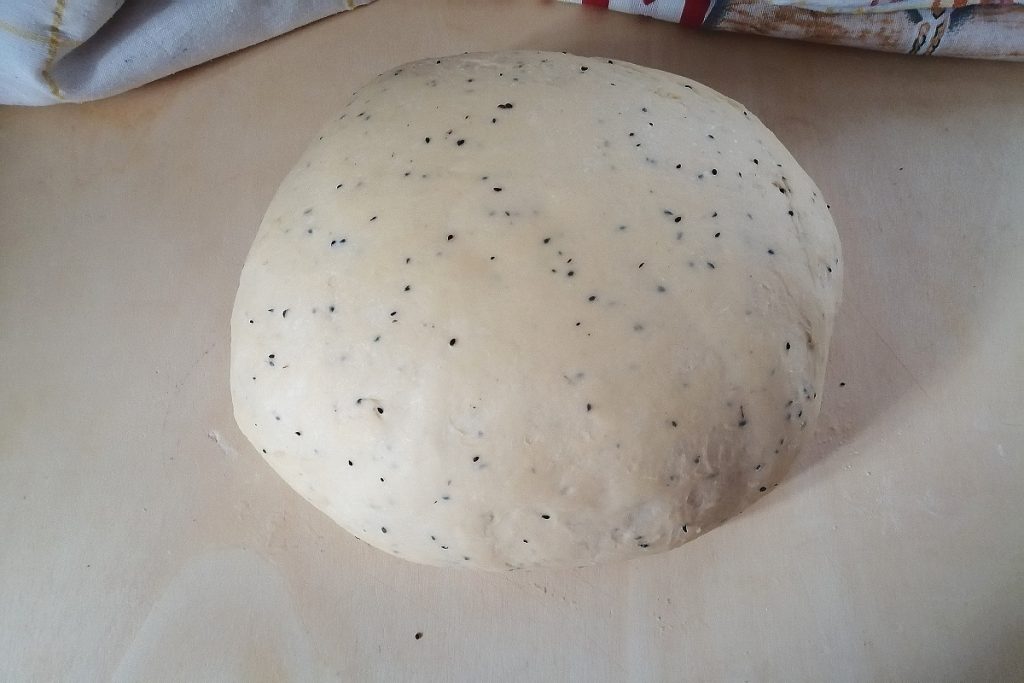
You can begin shaping the dough as you like.
I chose to make little doves.
Roll a small portion of dough into a stick about 15 cm (about 6 in) long.
Braid it and then tie a knot.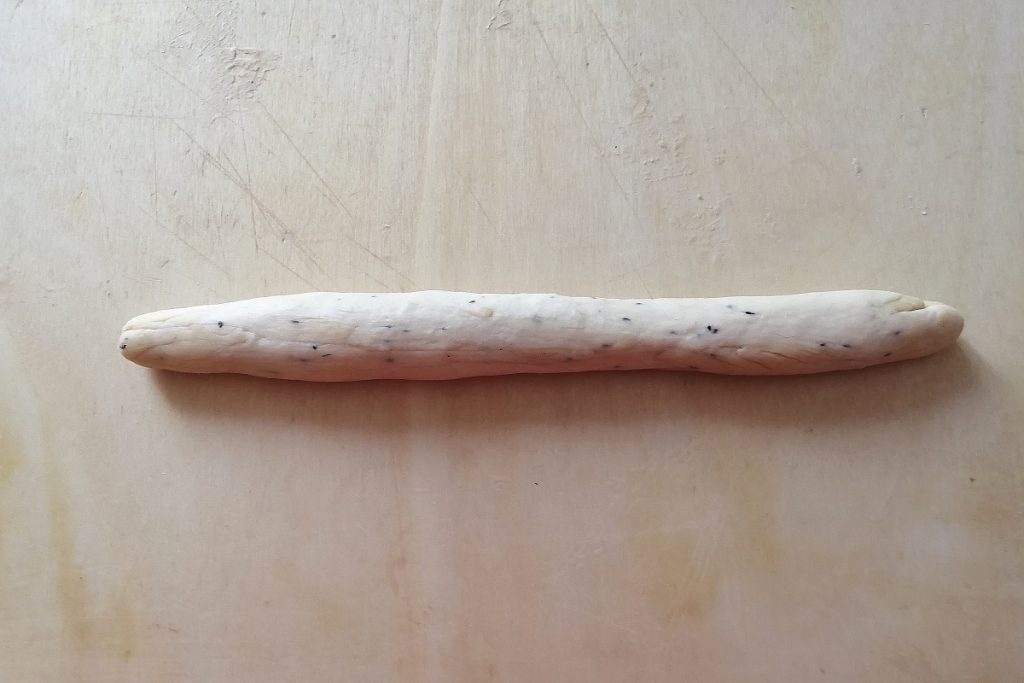
Take another small piece of dough and shape it into a little ball.
Place it on top of the previous piece and, using your fingers, pinch and elongate a bit of dough to form the beak.
For the eyes I used two small seeds typically used for seasoning salads.
Flatten the final part and use scissors to cut and form the tail.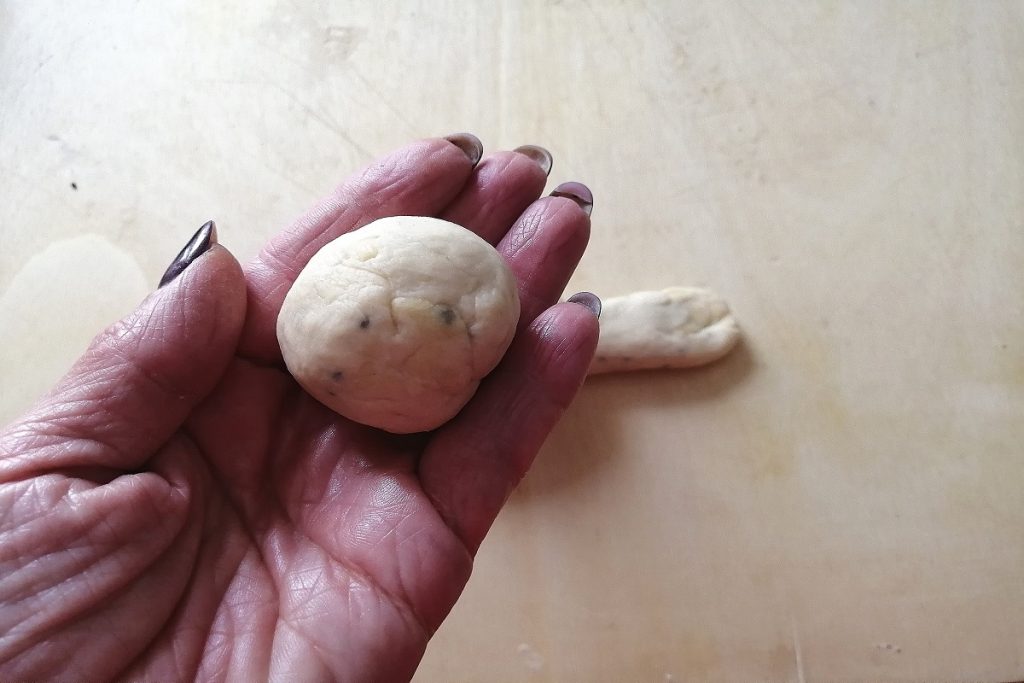
I continued shaping with mixed forms; in this case I created spirals shaped like an S or a fan.
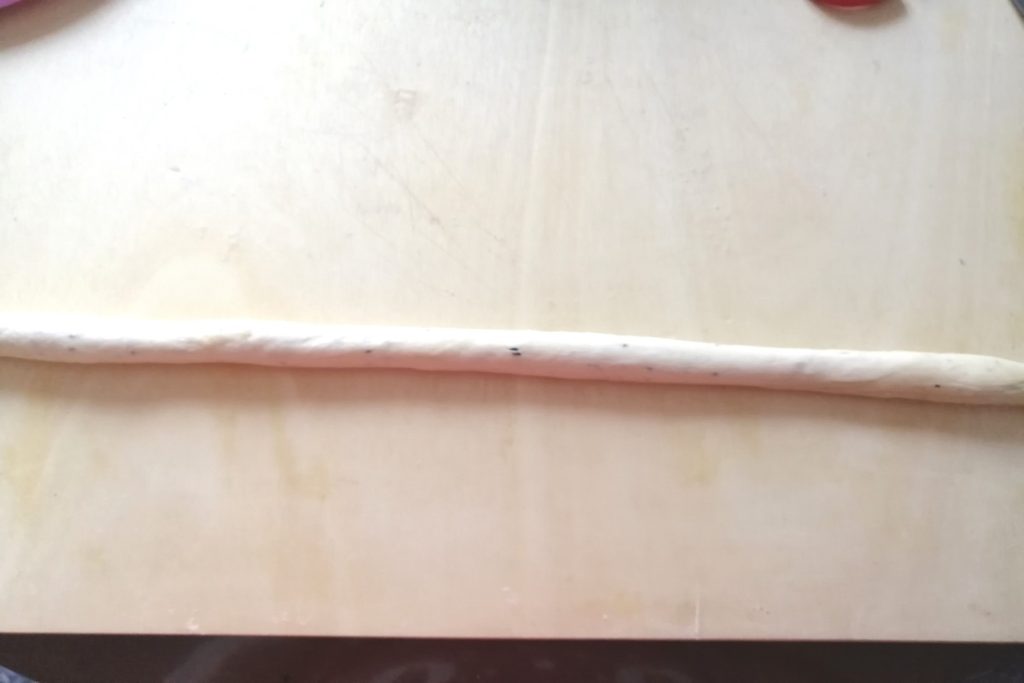
Place the cuddure on a baking sheet lined with parchment paper and brush them before baking with an egg yolk mixed with a little milk.
Bake at 356°F (180°C) for about 30 minutes until fully golden brown.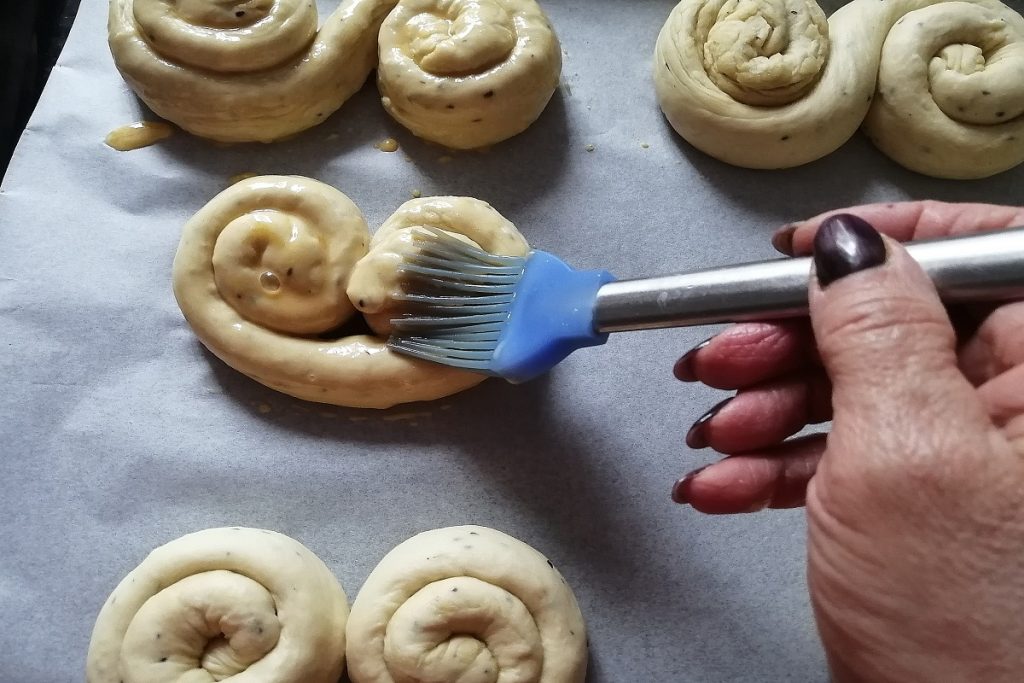
The savory Easter cuddure shaped like little doves can be a great place-card idea for your guests at the Easter lunch.