
Calabrian cuddure. Tradition and sweetness. At least once a year cuddure must be made. So eggs and flour and then free rein. I managed to take the photographs after sharing the spoils. You certainly can’t make half a kilo of flour, at least two kilos. Each their own share. They’re tasty and eagerly awaited, light, crunchy on the outside and soft inside. Many also add icing and sprinkles; I prefer the hard-boiled egg and then leave them plain.
Everywhere they have a different name: Cuddure, from twisted cords, from crown; or cuzzupa, between Crotone and Catanzaro, sguta or cudduracci, around Reggio Calabria; anguta that comes from the Grecanic area. What matters is belonging to tradition. One or more days dedicated to this preparation, everyone helping to fill the baskets ready to welcome these rings that during Easter cannot be missing as a sign of devotion with the egg as a sign of rebirth.
For other traditional recipes a few suggestions follow.
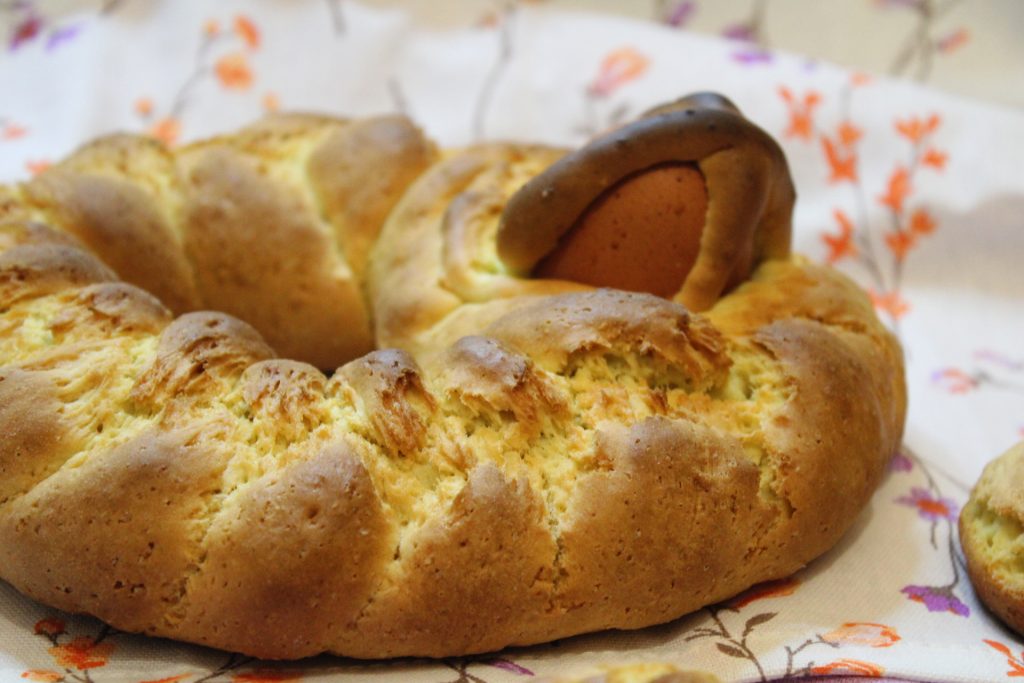
- Difficulty: Easy
- Cost: Budget-friendly
- Preparation time: 2 Hours
- Cooking time: 15 Minutes
- Portions: 60/70 pieces, depends on size
- Cooking methods: Electric oven, Oven
- Cuisine: Italian
- Seasonality: Easter, Spring
To make cuddure you will need:
- 8 cups flour (about 2.2 lbs (1000 g))
- 6 eggs
- 7 tbsp vegetable oil (or lard (about 100 ml / 3.4 fl oz))
- 7 tbsp milk (about 100 ml (3.4 fl oz))
- 2 cups sugar ((about 400 g))
- 1 lemon zest
- 1 packet baker's ammonia ((ammonium carbonate))
- hard-boiled eggs (with shell, for decoration)
Cuddure and useful tools
A large bowl, a work surface, baking trays. The tools I use can be found in my buying advice
To make cuddure proceed as recommended below
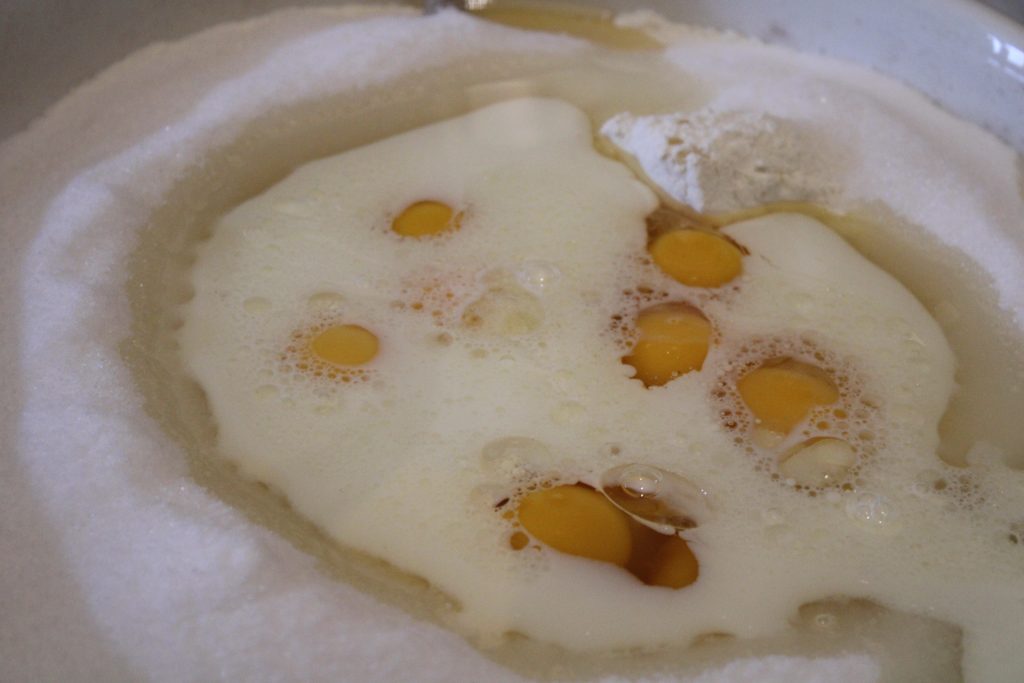
Combine the flour, sugar, lemon and baker’s ammonia, mix everything and add the remaining ingredients.
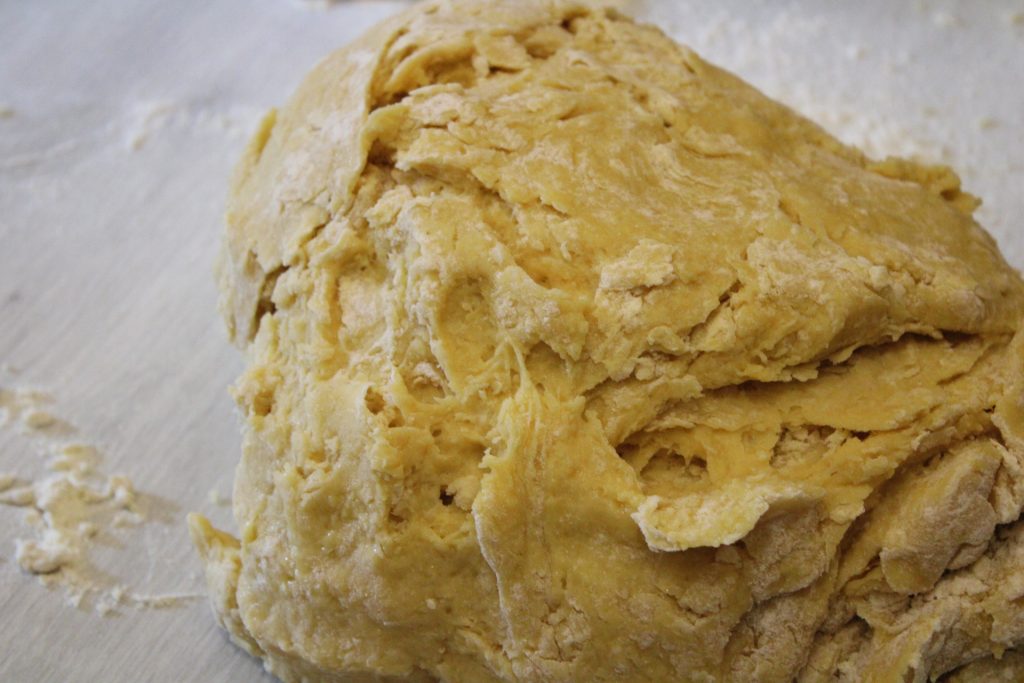
Knead well until you obtain a homogeneous dough, a little sticky.
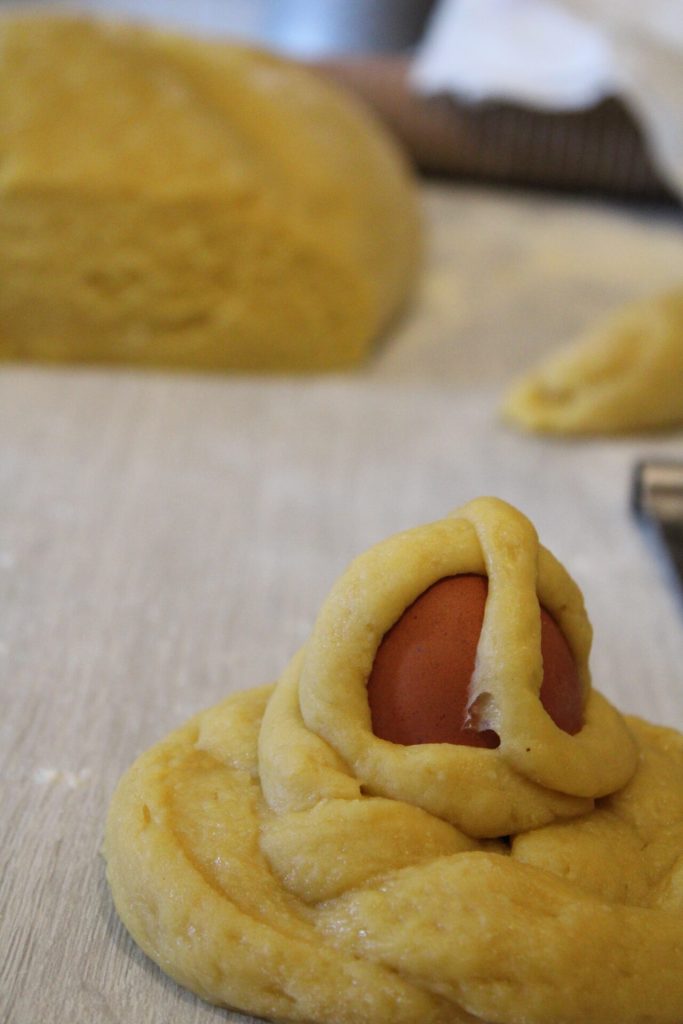
Shape the cuddure: small rings or braided ones. Meanwhile, you will have cooked and cooled the eggs; you can use them now for decoration.
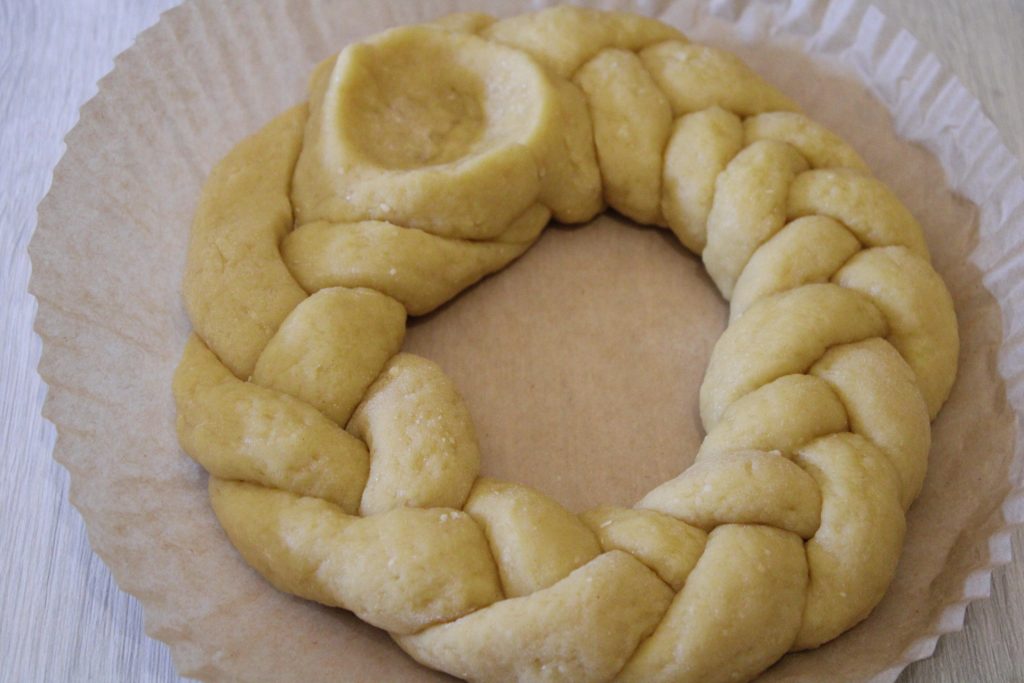
Bake in a preheated oven at 374°F until golden. It will take 15 to 30 minutes; it depends on the size of your crowns.
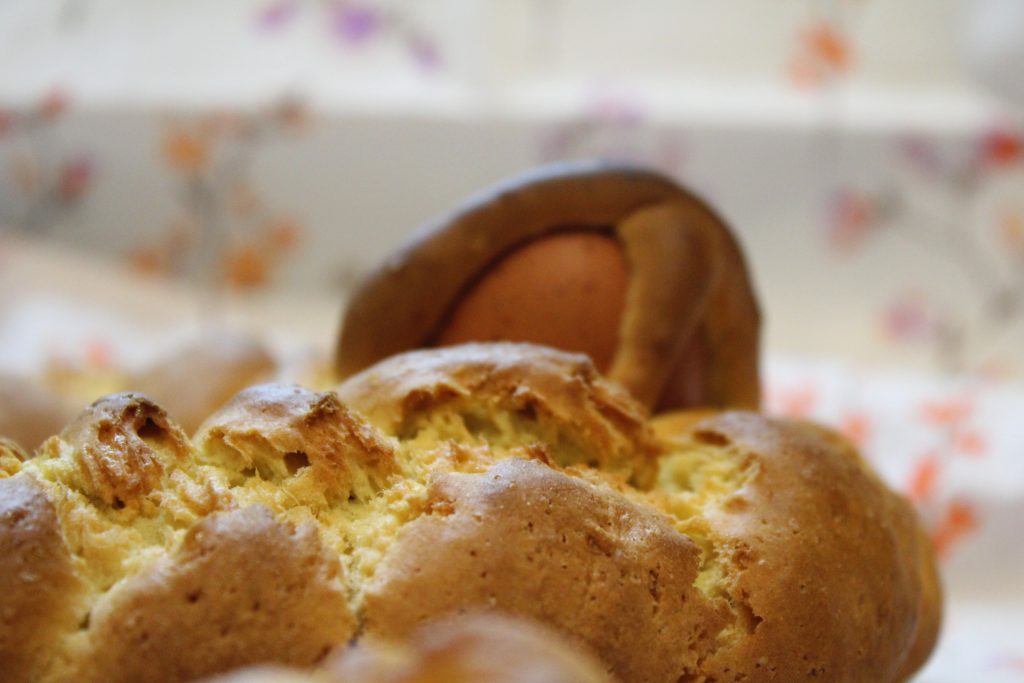
They are ready and fragrant, just bite in to enjoy their aroma.
A few days before Easter, the house came alive.
It wasn’t just cooking, it was a gathering: aunts arrived and we who were already numerous as a family, a true crew ready to get to work.
Each of us had a role, a precise task in that assembly line made of flour and eggs, so many eggs.
In truth, we children were moved by a single thought: the moment the cuddure would come out of the oven.
At a time when sweets were not an everyday habit but a privilege, those baked in the wood-fired oven turned the day into a true Celebration. The quantities were impressive, the commitment solemn; a ritual repeated year after year.
Once ready and cooled, the “division” took place.
The cuddure were carefully placed in large baskets, protected by clean cloths that seemed to want to guard a treasure. The plan was simple: they had to last for all the festivities. However, that silent coming and going and those little tricks — quick hands slipping a piece away in the shadows — seriously endangered the precious loot.
Then, my eyes only looked for those covered in white icing and colored balls, small and precious with sugar giving them a tempting look.
Today habits have changed and sugar has decreased, but the desire to dive hands into the dough remains intact.
It’s not just for the taste, but for the wish to continue passing on that gesture, so that the ritual never stops smelling of home and family.
A few tips.
You can brush with yolk and milk before baking to give the surface a shine; or make a white icing with powdered sugar and sprinkle with colored sprinkles.
