Quick and Super Elastic Pasta Matta
IS YOUR PASTA MATTA HARD AND BREAKS WHEN YOU ROLL IT OUT? THE SECRET IS RESTING FOR ELASTICITY.
Pasta Matta is the quintessential base for savory baking: quick, without yeast and without butter, perfect for those looking for a light but crunchy shell.
The main problem is the lack of elasticity, which causes it to tear when you try to roll it very thin for savory tarts or rolls.
This recipe solves the problem thanks to the right amount of extra virgin olive oil and a 30-minute rest.
This time, even if short, allows the gluten network to relax, making the dough elastic, silky and very easy to roll out, ensuring a final crunchy result.
- Rest time: 30 Minutes
- Preparation time: 10 Minutes
- Portions: 1 savory tart or 4 schiacciate (crispy flatbreads)
- Cooking methods: No baking
- Cuisine: Italian
Ingredients
- 2 1/3 cups (about 10.6 oz) 00 flour
- 5/8 cup (about 5.1 fl oz) water
- 1/3 cup (about 2.7 fl oz; ~5 tbsp + 1 tsp) extra virgin olive oil
- 1 teaspoon fine salt (level)
Tools
- Kitchen scale
- Bowl
- Sieve
- Rolling pin
Detailed Procedure (Elasticity and Workability)
Combine the dry ingredients: Sift the flour into a bowl, add the salt and mix well.
Add the liquids: Make a well in the center and add the room-temperature water and the extra virgin olive oil.
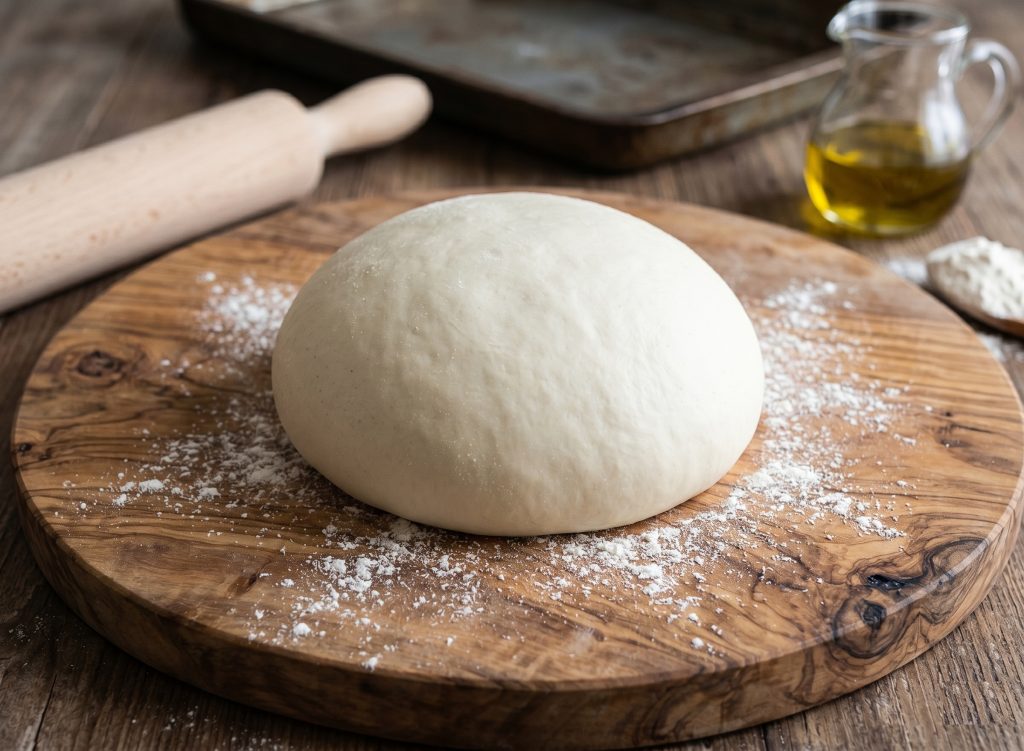
Quick mixing: Start mixing quickly with a spoon, then transfer the dough to a floured work surface. Work vigorously by hand for about 2-3 minutes, the time needed to obtain a smooth, homogeneous dough without lumps. Do not overwork so as not to stress the gluten.Guaranteed rest: Form the dough into a ball. Cover it with the same bowl turned upside down (the residual heat will help) and let it rest for 30 minutes at room temperature.
Rolling out: After resting, the dough will be perfectly elastic and easy to roll out very thin with a rolling pin.
Baking: Use it for your recipe (e.g., savory tarts). Baking times vary, but generally Pasta Matta bakes at 356-392°F until golden.
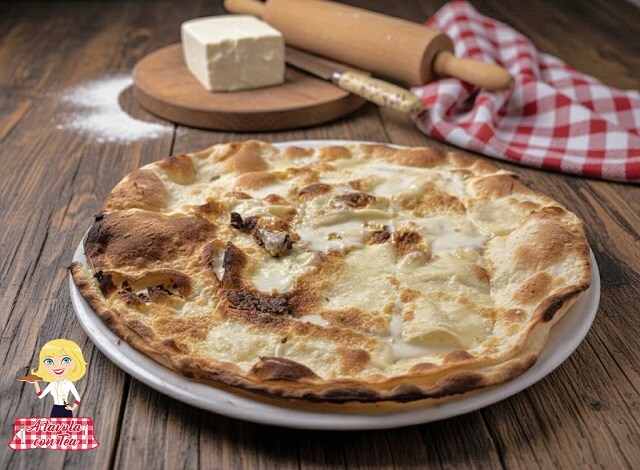
The Many Uses of Pasta Matta
Pasta Matta is called that because it adapts to “going wild” in a thousand different uses, replacing puff pastry or shortcrust pastry in many preparations.
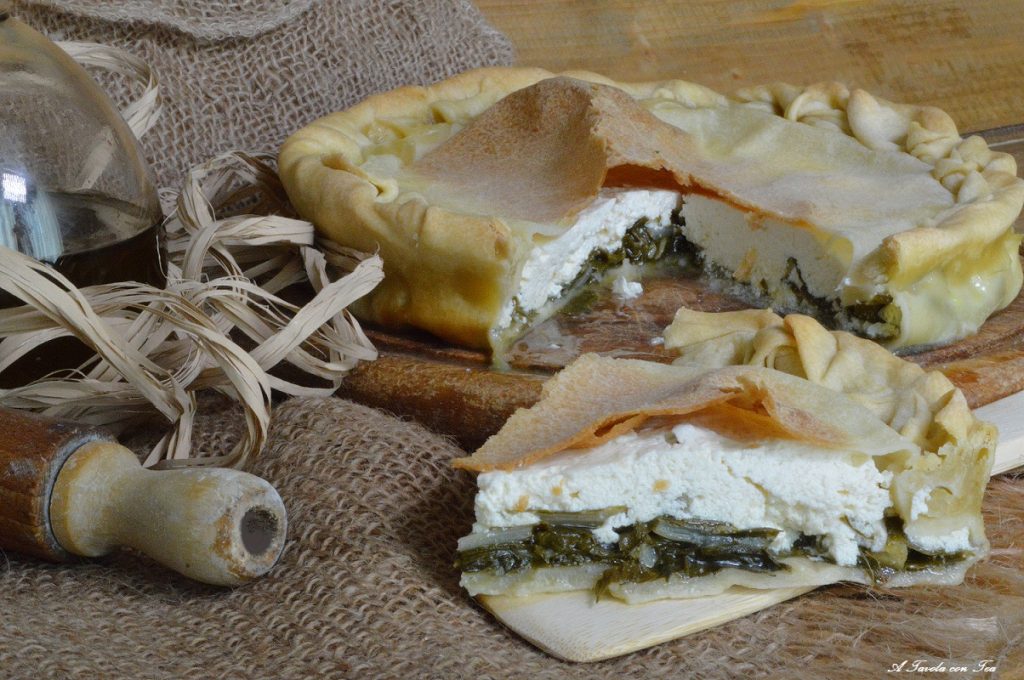
Savory Tarts (Crunchy): The most classic use. It is perfect as a base for tarts with creamy fillings or vegetables, giving a thin and incredibly crunchy edge.
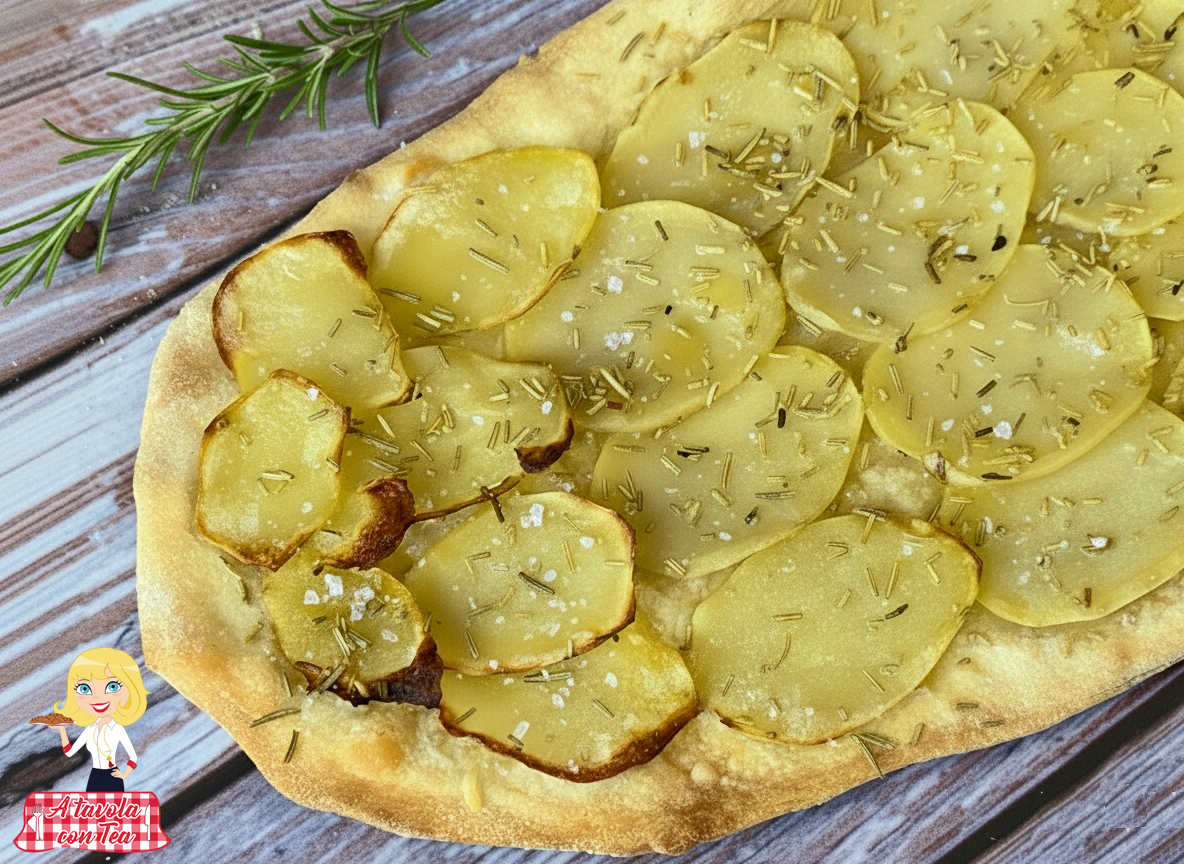
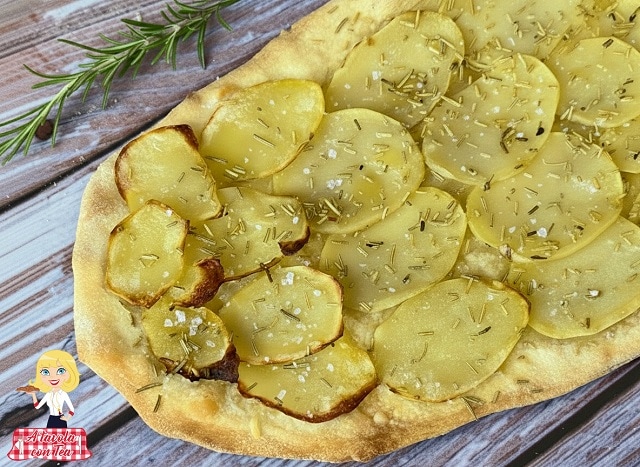
Schiacciate and Crispy Focaccias: It can be rolled very thin and filled (for example with potatoes, onions or simply rosemary and coarse salt) and baked at high temperature to obtain very crispy schiacciate.
Stuffed Rolls and Savory Strudels: Given its elasticity, it is ideal for rolling wet fillings (such as spinach and ricotta) into strudels or savory rolls, without the dough breaking during folding.
Light Substitute: Being free of butter and yeast, it is the lightest alternative to puff pastry or savory shortcrust.
Notes on Ingredients and Variations (For Perfect Elasticity)
Flour (type 0 vs 00): Type “0” (or Manitoba) is slightly preferable to “00” because it contains more gluten, which helps develop the dough’s elasticity better. In any case, the 30-minute rest is the real secret to making any type of flour smooth and manageable.
Water: Using room temperature water is essential so as not to stress the dough and to allow the gluten to relax properly.
Extra Virgin Olive Oil: Extra virgin olive oil is the agent that gives Pasta Matta its characteristic softness and crunch, differentiating it from shortcrust (which uses butter). Always use a good quality one.
Flavored Variations: For special savory tarts, you can add to the dry mixture a pinch of black pepper, a teaspoon of turmeric (for color) or finely chopped dried herbs (such as rosemary or oregano).
Storage and Make-Ahead
Pasta Matta lends itself very well to storage and make-ahead:
In the fridge: Raw dough, well wrapped in plastic film, keeps in the refrigerator up to 3 days. Remove it from the fridge at least 30 minutes before using to bring it back to room temperature and recover its elasticity.
In the freezer: It is possible to freeze the raw ball of dough. Wrap it in plastic film and then in a freezer bag. It keeps for about 3 months. To defrost, transfer it to the refrigerator the evening before and then leave it 1 hour at room temperature before rolling out.
FAQ (Questions and Answers)
Why does my Pasta Matta break when I roll it out?
The main reason is the lack of resting. Resting allows the gluten to relax; if you roll out the dough immediately after working it, the gluten network is too tight and it tears. Follow the 30-minute rest.
Can I replace the extra virgin olive oil with butter?
Technically yes, but in that case it will no longer be Pasta Matta (which is traditionally without butter), but it will become a light shortcrust pastry. Pasta Matta with oil is crunchier and lighter.