
Homemade flatbread is that lifesaver that sorts out dinner when you come home late from work or when you fancy something tasty but don’t have fresh bread. Even if we are not in Romagna, this version with olive oil has become a classic in our Sicilian kitchens because it is light and pairs wonderfully with our cured meats and cheeses.
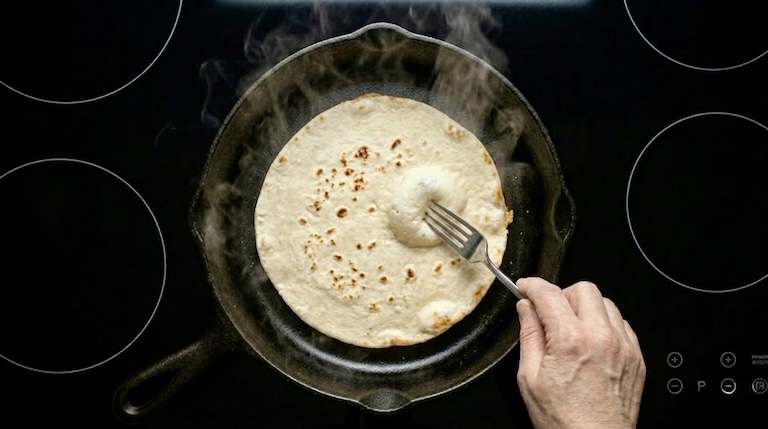
Imagine the aroma of flour toasting on a hot griddle and that soft texture that doesn’t break when you fold it. It’s a pleasure to watch those darker bubbles form during cooking, a sign that the dough turned out just right.
The trick to making it perfect? Don’t be in a hurry to cook it right away. Letting the dough rest allows the gluten to relax, so when you use the rolling pin the sheet won’t spring back like an elastic and you’ll be able to roll it very thin.
It’s the ideal solution for an informal Saturday night with friends or a hearty snack for the little ones. You can fill it with whatever you have in the fridge, but a smear of stracchino cheese or some sweet prosciutto crudo never fails.

- Difficulty: Very easy
- Cost: Very inexpensive
- Rest time: 30 Minutes
- Preparation time: 10 Minutes
- Cooking time: 5 Minutes
- Portions: 4 people
- Cooking methods: Stovetop
- Cuisine: Italian
- Seasonality: All seasons
Ingredients for homemade flatbread
- 4 cups all-purpose flour
- 7 fl oz milk (room temperature)
- 1.7 fl oz water
- 1.7 fl oz extra-virgin olive oil
- 1 tsp salt
Tools for homemade flatbread
- 1 Skillet
- 1 Rolling pin
Steps for homemade flatbread
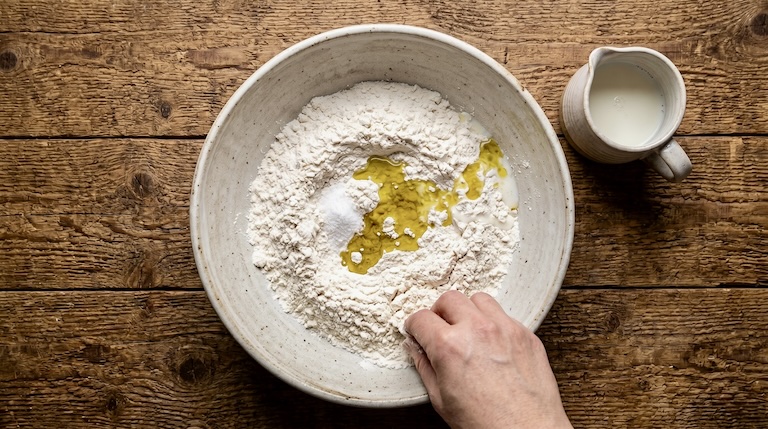
To prepare the homemade flatbread, pour the flour and salt into a large bowl, then add the olive oil, water and room-temperature milk. Start mixing with your hands, bringing the flour toward the center until you absorb all the liquid, then transfer the dough to the work surface.
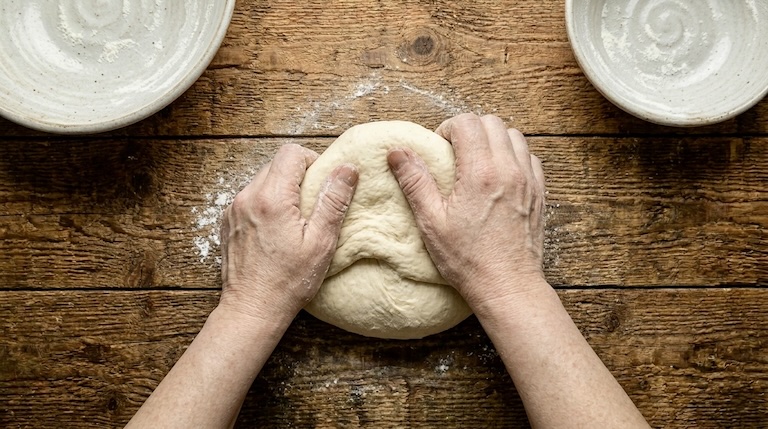
Knead vigorously for about 5 minutes until you get a smooth, soft ball. This step makes the dough homogeneous and easier to work with later.
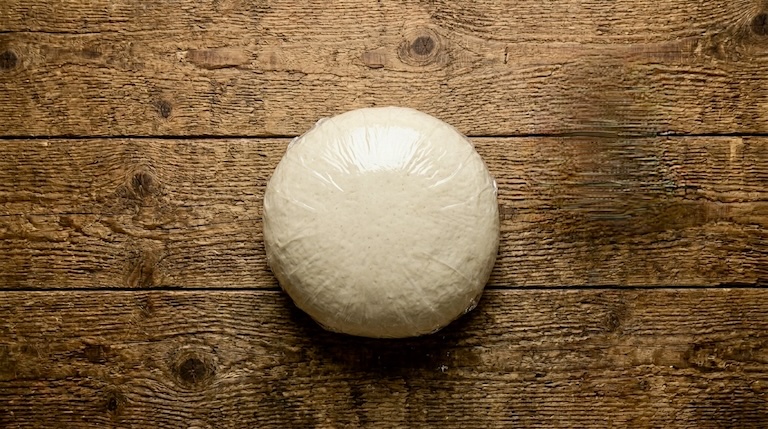
Wrap the dough ball in cling film or cover it with an overturned bowl and let it rest at room temperature for at least 30 minutes. Meanwhile you can prepare the filling ingredients. Resting is essential because it allows the flour to hydrate well and makes the flatbread much more elastic and easier to roll out without tearing or shrinking.
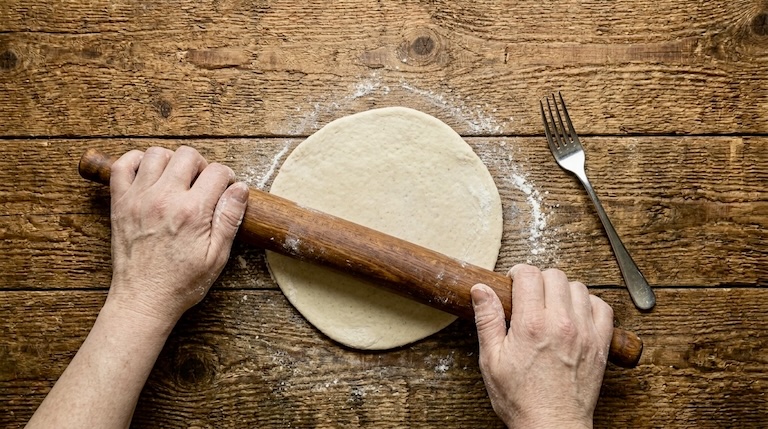
After resting, divide the dough into 6 equal balls. Roll each ball with a rolling pin trying to give a round shape and a thickness of about 2 to 3 millimeters (about 1/16 to 1/8 in).
Heat a nonstick pan well and, when very hot, place the flatbread on it. Cook for about 2 minutes per side, pricking any bubbles that become too large with a fork. When you see the classic golden spots on both sides, your flatbread will be ready.
Fill the flatbread as you like and serve it still warm.

AIR FRYER VARIANT
With an air fryer: 392°F for 3-4 minutes total. Place the flatbread in the basket (without parchment if you want better heat circulation) and flip it halfway through cooking. It will be slightly crispier, almost like a flaky pastry.
HOW TO STORE
Store in the fridge for 2 days in a food bag. To reheat, pass them 1 minute in a hot skillet or 2 minutes in an air fryer at 356°F so they return soft as freshly made. You can also freeze them cooked, placing a sheet of parchment paper between each one.
TIPS
If you want an even more indulgent flatbread, you can replace the milk with plain natural yogurt: it will become incredibly soft!
Don’t cook them too long on the griddle, otherwise all the moisture evaporates and the flatbread becomes hard like a biscuit instead of staying foldable.
As soon as you remove them from the pan, stack them on top of each other and cover with a clean cloth: the retained heat will keep them moist and flexible.
FAQ (Questions & Answers)
Why does my flatbread break when I fold it?
You probably cooked it too long or at too low a heat, causing it to dry out. Cook it over a high flame for a few minutes and cover it immediately with a cloth as soon as it’s ready.
Can I use whole wheat flour?
Certainly! You can substitute part of the all-purpose flour with whole wheat, but add a splash more milk because less-refined flours absorb more liquid.
Can I prepare the dough the day before?
Yes, you can leave it well covered in the fridge. Remember to take it out at least an hour before rolling so the dough returns to room temperature and it’s easier to work with the rolling pin.
