
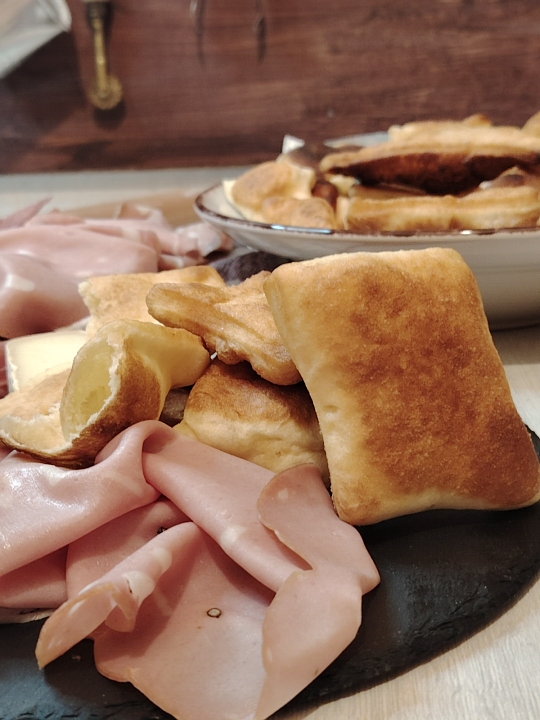
My recipe for Bolognese torta fritta. Which is not the Romagna gnocco fritto nor the Piedmontese friciule. Often, just a few kilometers apart, recipes transform, changing results, shapes, and names. What is Italian cuisine without the variants, many, that each housewife experiments with in her own kitchen?
Without the housewives’ variants our cuisine would be a static, unchanging list, perhaps even boring. But recipes tell the story of the people, the differences between rich and poor, the differences between hills and mountains, woods and vineyards, kitchen gardens and cities; made of passion and feeling, of products of the land that grow in a single area, or wild herbs that follow altitude like many fruits. These are the essential differences. A cultural biodiversity without borders that unites into a single treasure. The richness of interpretations that gradually refine our tradition, that discover small productions, little mysteries and cultivations.
A basic dough with flour and water: “Should we add yeast or not?” “And if we add an egg, maybe it will be softer”, “if I make it more liquid maybe I can even create a roll to fill”. These are only suppositions; each of us experiments in the kitchen, from a recipe handed down, to new additions out of passion or necessity. Every variant brings fresh air and speaks of a people in constant change following the many roads that all lead to Rome.
Torta fritta from Bologna: the version I like, as I know a bit about Emilia Romagna between one trip and another around the region to reach Lugo, my husband’s hometown, and then go to the sea at Casal Borsetti or the Romagna beaches to learn more. And each time a different conquest, a new recipe in my notebook.
If you want to discover other regional specialties, open the suggestions listed below.
- Difficulty: Easy
- Rest time: 2 Hours
- Preparation time: 30 Minutes
- Cooking time: 3 Minutes
- Portions: 6 servings
- Cooking methods: Stovetop, Frying
- Cuisine: Italian
- Seasonality: All seasons
Ingredients My recipe for Bolognese torta fritta
Flour, yeast, water, milk and eggs…
- 8 1/3 cups (about 2.2 lb) all-purpose flour (type 0)
- 1 cube (fresh compressed yeast, about 0.88 oz / 25 g) fresh yeast
- 2 eggs
- 1 1/4 cups milk (warm)
- 3/4 cup + 1 1/2 tbsp cups water
- 3 1/2 tsp salt
- as needed oil for frying
Tools My recipe for Bolognese torta fritta
Stand mixer or bowl for kneading, work surface to roll out with a rolling pin. You can find some tools I use in my buying recommendations.
- Flatbread griddle
- Tigelliera
- Cast iron plate
Steps My recipe for Bolognese torta fritta
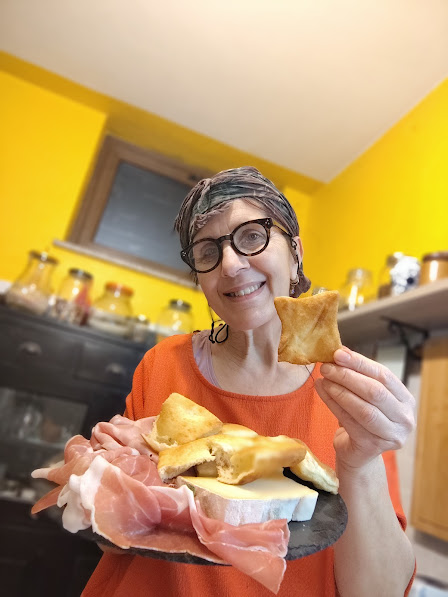
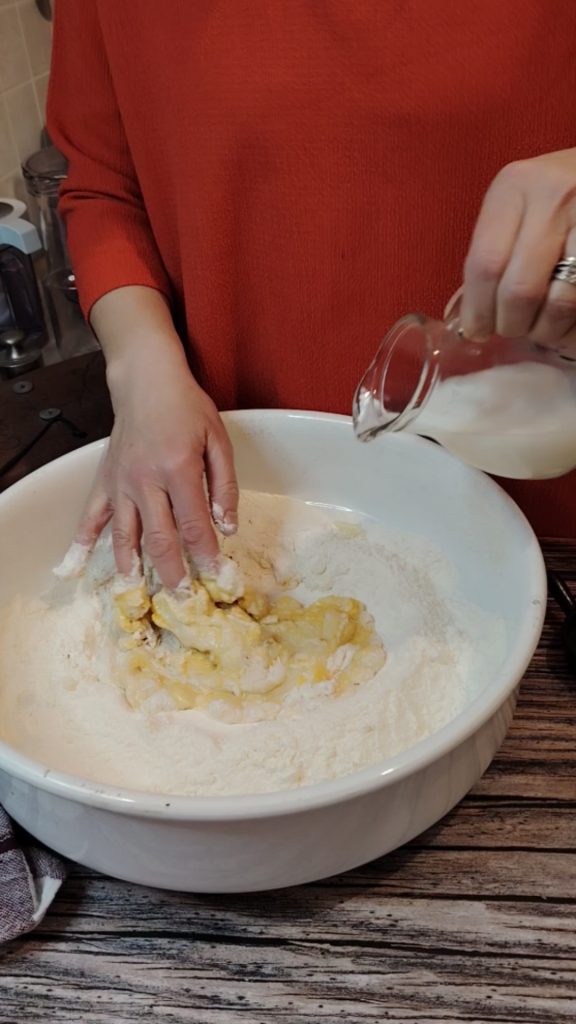
In a bowl or in a stand mixer, combine the flour, the warm milk with the dissolved yeast, the eggs and the water; finally add the salt. Knead well until you obtain a homogeneous dough ball.
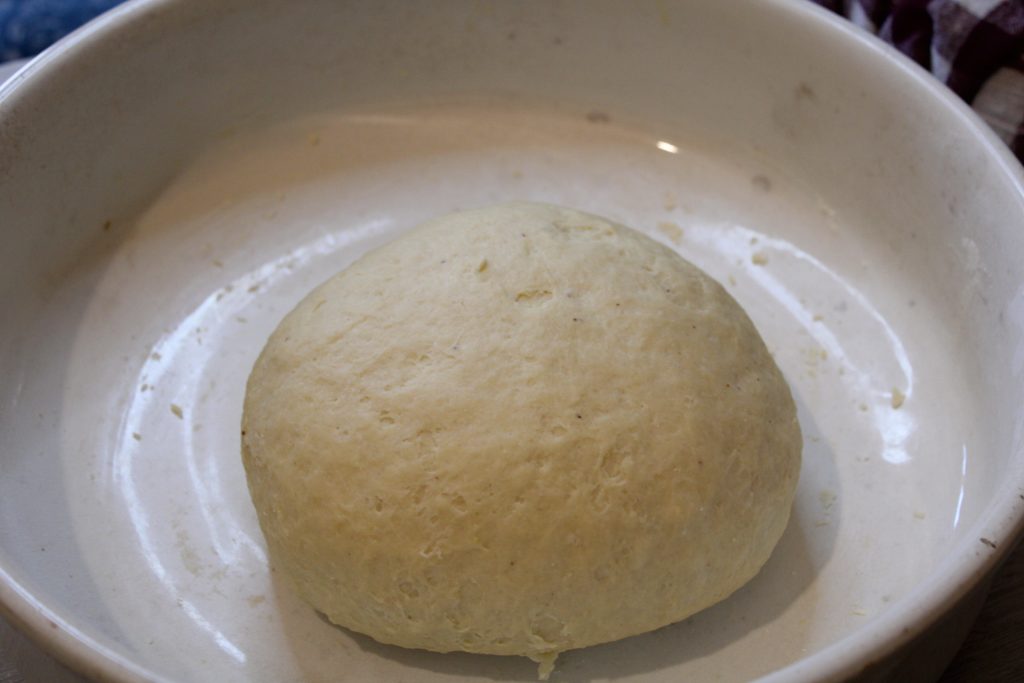
Let it rise covered until doubled in a warm place. I personally use the oven with a small pot of boiling water inside. It becomes an excellent proofing chamber during the cold season.
After the necessary time, roll out until you obtain a sheet about 1/5 inch thick (approx. 0.5 cm); cut into diamonds and…
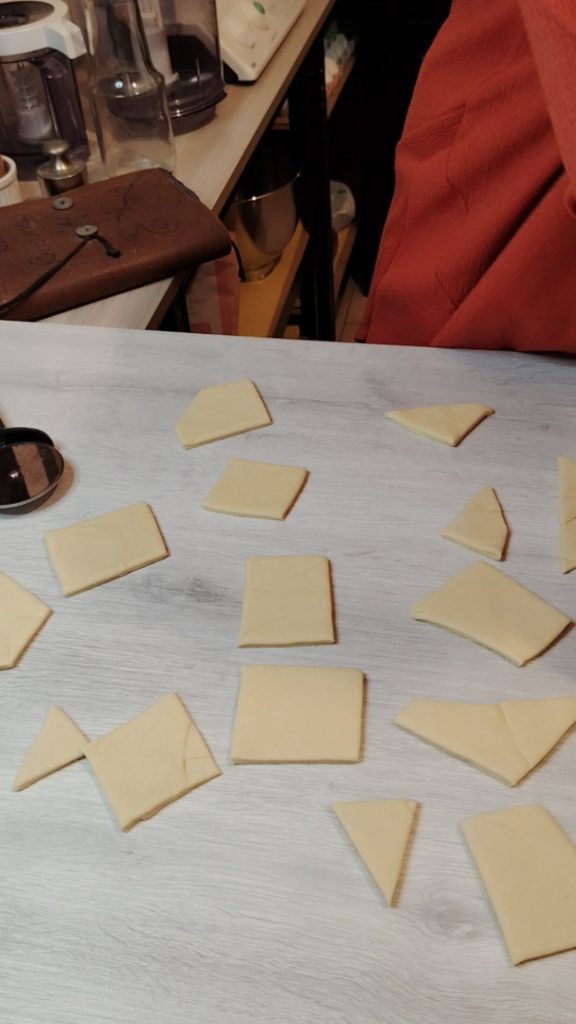
…fry in very hot oil.
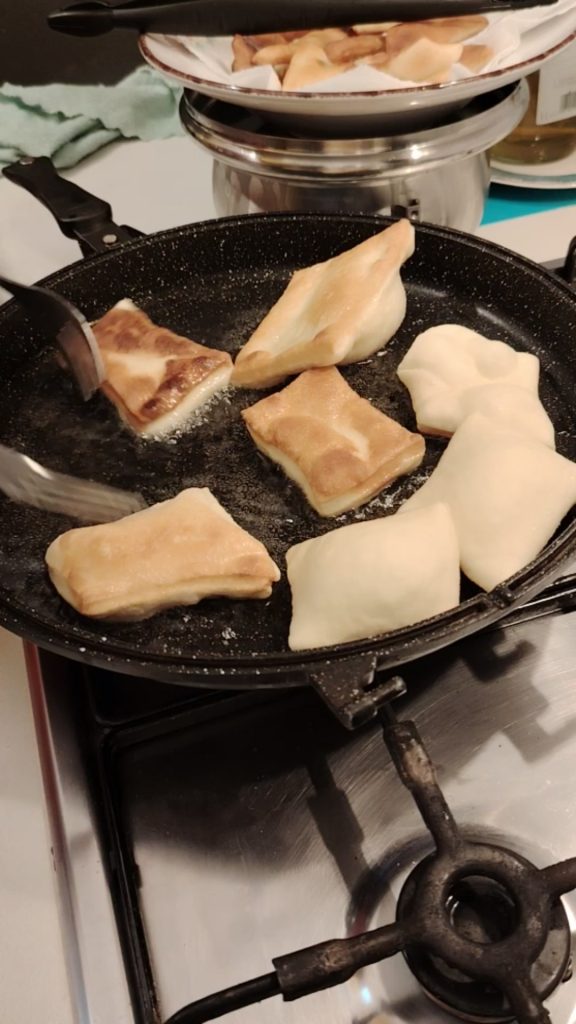
Serve with a good glass of wine; beer also has its charm, and a nice selection of cured meats and cheeses.
A few extra tips
The dough should have a firm but elastic consistency. If you notice it is dry, add a little milk or water; conversely, add a little flour, since each brand has its own structure and characteristics, and liquid absorption may vary. I personally also prepare torta fritta with wholemeal flour to give it a more rustic structure, or with buckwheat flour.
