Freezing cuttlefish ink in tomato sauce is an alternative to freezing the ink sac [or bladder] whole or freezing only its contents.
The frozen ink sac tends to aggregate into crystals: freezing changes its texture and thawed cuttlefish ink can appear grainy.
I learned this method from my mother.
The cuttlefish ink extracted from the sac is added directly to the tomato sauce and keeps perfectly in the freezer – without crystals and without granules.
Why freeze cuttlefish ink?
In coastal areas it is common to stock up on cuttlefish during the fishing season.
With this trick you can recover all the ink and preserve it without waste, so you have it available to prepare a cuttlefish ink sauce when needed.
You might be interested in:
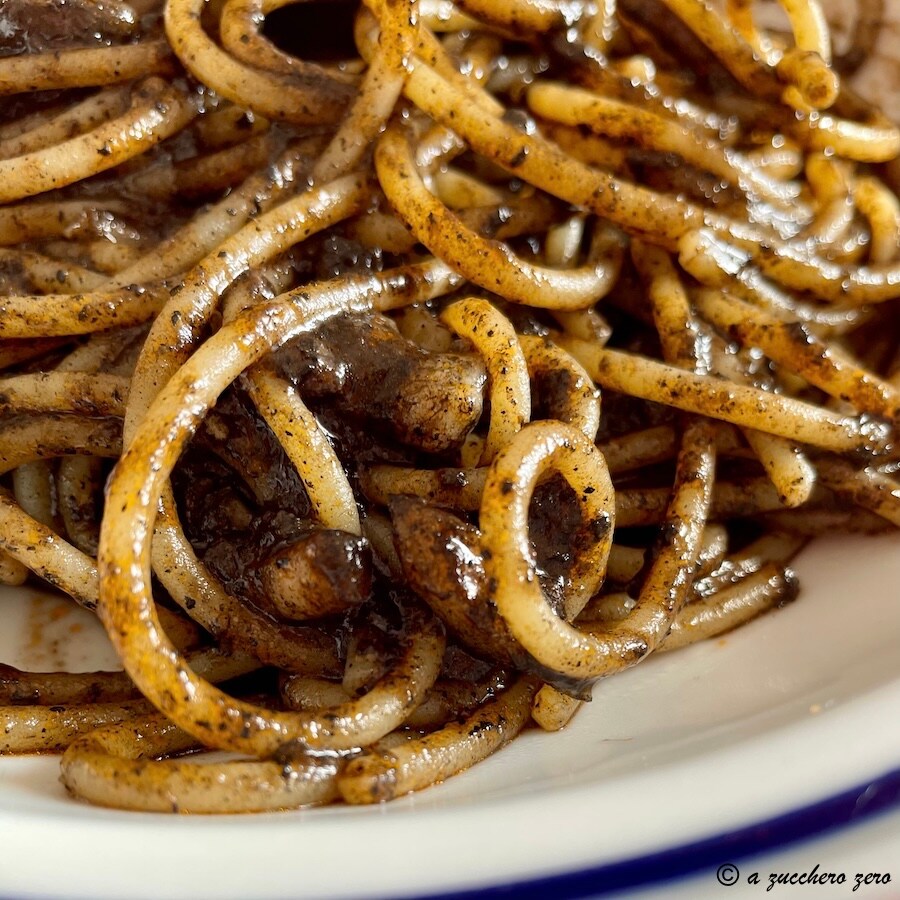
- Difficulty: Medium
- Cost: Medium
- Preparation time: 30 Minutes
- Portions: 2 Servings
- Cuisine: Italian
Ingredients
When buying cuttlefish keep in mind that the female cuttlefish has less ink than the male but, in compensation, has roe.
- 2 cuttlefish (with ink sacs)
- 1 1/4 cups tomato sauce (homemade)
- cuttlefish (weight according to dietary plan)
- 1 pinch garlic powder
- 1 1 shot (1.5 fl oz) white wine
- 1 pinch salt
- 1 pinch mixed peppercorns (with grinder)
Suggested tools
- Knife
- Cutting board
- 1 Pan with lid preferably glass
Preparation
Consider 2 ink sacs [thus 2 cuttlefish] for 1 1/4 cups of tomato sauce for 2 servings of cuttlefish ink sauce.
Prepare a generous amount of tomato sauce.
For the detailed step-by-step procedure you can read the full recipe by clicking the following link: homemade tomato sauce without sugar or oil in cooking.Alternatively, use strained tomato puree.
Canned tomatoes, passatas and ready sauces often contain added sugars and other ingredients that can raise blood sugar; always read the label.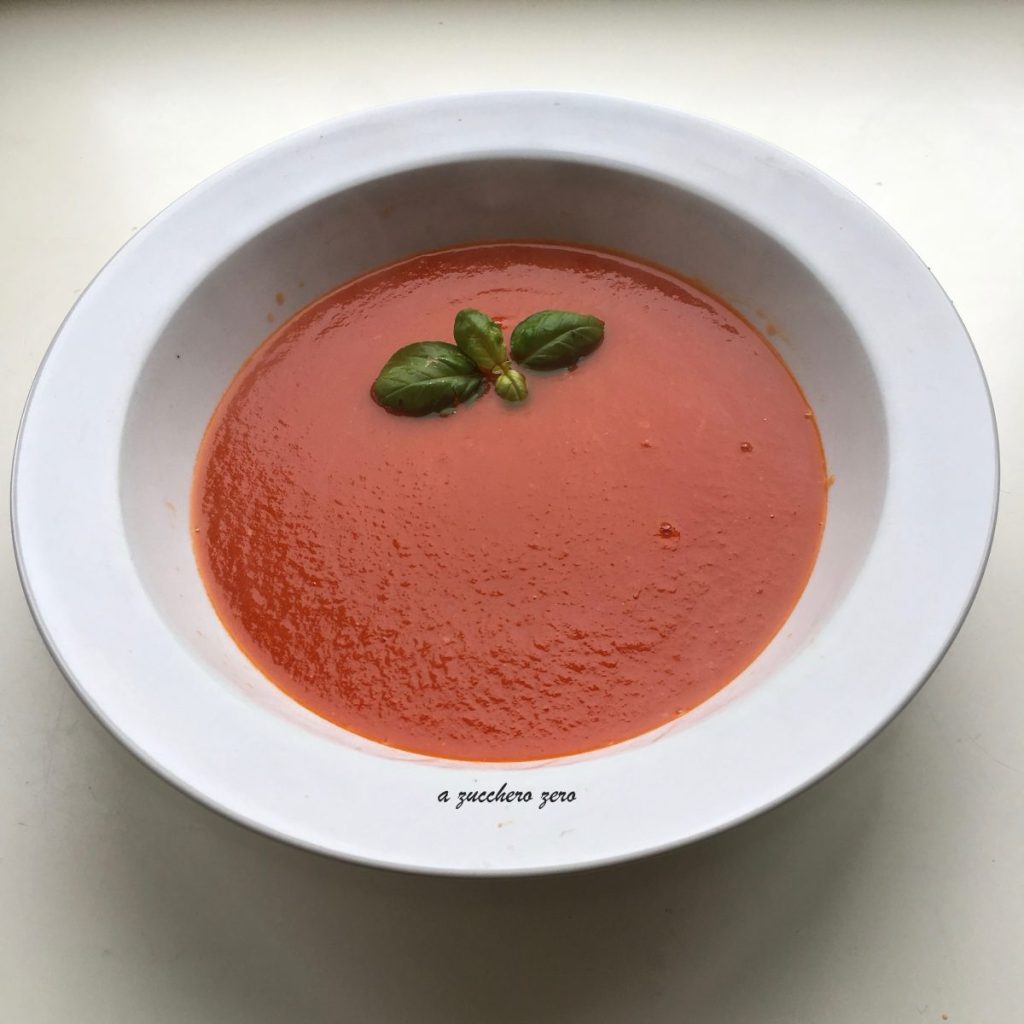
On YouTube you can find a very clear video on cleaning cuttlefish which describes in detail how to recover the ink sac.
Wash the cuttlefish under running water and pat dry with kitchen paper towels.
Remove the eyes and the beak and extract the bone.
Rinse again.
Proceed to remove the viscera.
After extracting the bone, part of the mantle [the cuttlefish sac] remains open:
– cut the skin that covered the bone to open the internal cavity that contains the viscera;
– gently extract the viscera, if necessary help yourself with a small knife: eggs, milt and the ink sac in a single block and then separately livers and gills.
The eggs and the milt of the cuttlefish are a real delicacy.
The livers are also edible.
The gills should be discarded.
Locate the ink sac and carefully separate it whole so as not to lose its contents.
The walls are very thin and break easily so keep a small glass or bowl at hand in case you urgently need to recover the contents.
After removing the viscera, check that there are no residues inside the mantle.
Skin the cuttlefish: consider that the skin is edible so it is not a necessary operation:
– peel off the skin by pulling it along the mantle from one side and the other.
Thoroughly wash the sac externally and internally, and the tentacles under running water.
Pat dry with kitchen paper.
The cuttlefish is clean and ready for cooking, whole or portioned.If you find the cleaning operations too complicated, when purchasing, ask your trusted fishmonger to clean the mollusks and to extract the ink sacs [or bladders] whole.
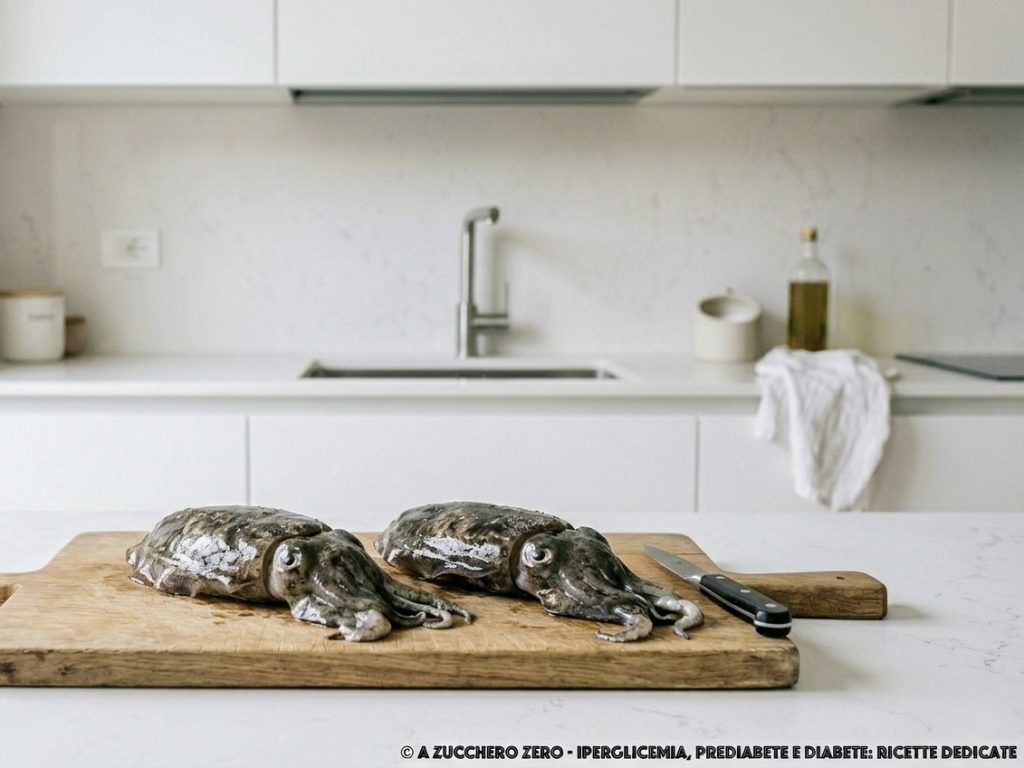
The ink sac can be stored but not frozen on its own because it tends to aggregate into crystals.
Solution
Freeze the cuttlefish ink directly in the tomato sauce.Pour the tomato sauce into a bowl or a freezer container.
Gently pinch the ink sac and let the contents fall into the tomato sauce, stir and put it in the freezer.Your cuttlefish ink frozen in tomato sauce is ready.
Just thaw it before use and complete the preparation with the cuttlefish.
Cuttlefish ink sauce is prepared by thawing the cuttlefish ink in the tomato sauce and adding the cuttlefish.
Thaw cuttlefish ink and tomato by moving it to the refrigerator the night before.
The cuttlefish can be those frozen together with the ink or different cuttlefish.
Wash the cuttlefish under running water.
Pat dry with kitchen paper.
Cut the bodies and tentacles into chunks.In a pan briefly heat:
– garlic powder;
and deglaze with a shot of white wine (about 1.5 fl oz).
Add the cuttlefish, including eggs and milt, to the pan and brown for 2-3 minutes, stirring occasionally.
Add a pinch of salt and a pinch of pepper.
Add the cuttlefish ink and tomato.
Stir well to combine.
Cover with a lid [preferably glass], bring to a boil, lower the heat and cook for a few minutes until the sauce reduces as needed.Your cuttlefish ink sauce is ready to dress the pasta.
Enjoy your meal!
Note
Obviously, by diluting the cuttlefish ink in the tomato sauce the color may appear more red and less black but the flavor remains equally intense.
Storage, tips and variations
Storage
Cuttlefish ink and tomato keep in the freezer in an airtight container for up to 3 months.
Thaw the cuttlefish ink and tomato by moving it to the refrigerator the night before.
Once thawed, consume within 24 hours.
Tips and variations
If, instead, you use freshly extracted ink, try:
– Pasta with cuttlefish ink;
– Cuttlefish ink risotto | with wholegrain deamidated rice.
FAQ – Questions and Answers
Mollusks and cholesterol
In our dietary plan, squid and calamari, octopus and cuttlefish are among the foods listed as “to be consumed occasionally”.
Indeed, despite being lean-meat mollusks, they are a source of cholesterol whose intake should be limited.
Nutrition guidelines recommend a dietary cholesterol intake of less than 300 mg per day, a limit that can drop to 200 mg per day in the presence of hypercholesterolemia and hyperglycemia.
Therefore, mollusks do not directly affect blood sugar but in cases of hyperglycemia, prediabetes and diabetes they should be consumed in moderation.
How to distinguish a male and female cuttlefish?
In theory by the back:
– the male cuttlefish usually has a striped back;
– touching the back of the female cuttlefish reveals circles.I thank Anna Martano and Rosario Giunta for the following tip:
The male cuttlefish has more ink.
The male cuttlefish has a larger and wider body than the female and more ink to defend its den.
The female cuttlefish has less ink but, in compensation, has eggs.